
Conflict touches every part of human life. It shows up at the dinner table, in the workplace, among friends, and even in the privacy of our own thoughts. Sometimes, the smallest disagreements grow into heavy burdens, or an old argument can come back with fresh pain even years later. Through all the forms conflict takes, one truth stands clear: healing happens through presence, not avoidance.
Every healing starts with attention.
We have found that meditation offers one of the most direct, honest ways to bring healing into conflict situations. When we meditate, especially with the intention to address conflict, we develop the tools to pause, notice, and transform both our internal reactions and our outward actions.
The real cost of unresolved conflict
Before looking at how to start, we reflect on why this practice matters so much. Prolonged conflict, when not given attention, affects well-being, relationships, and even physical health. Studies like those conducted at the University of Silesia demonstrate that higher individual mindfulness relates to more effective conflict-resolution strategies and better relationship quality. This tells us that the inner work of mindfulness can ripple outward, directly influencing how peacefully we resolve challenges around us.
We believe that unresolved conflict leads to stress, anxiety, and a sense of separation from others and even from ourselves. Healing these patterns isn’t about pushing for victory—it's about coming back together with clarity and care.
Why meditation supports conflict healing
It might seem surprising that quietly sitting with eyes closed can change the way we argue or make up after heated words. Yet the link is solid. When meditation is practiced with awareness, it helps us:
- Pause before acting on impulse.
- Notice the emotions behind words, both ours and others’.
- Recognize recurring patterns in our reactions.
- Develop compassion—for ourselves and those we might disagree with.
A study in Frontiers in Psychology confirmed that only five hours of integrative body–mind training created measurable improvements in conflict resolution tasks, showing both faster response times and more flexible mental processing.
Attention changes the way we respond.
As these small shifts add up, we notice less blame, quicker recovery, and sometimes even humor—an unmistakable sign of real healing.
Step-by-step: Daily meditation for conflict healing
Bringing meditation into your daily routine for conflict healing doesn’t require special training or long hours. What matters most is regularity and honest intention. Here is how we suggest building a daily practice:
1. Set your focus: Choose the conflict
Each session, start by identifying one conflict or lingering tension. This might be a recent argument or a pattern that keeps recurring. Stepping into meditation with a clear intention helps the mind settle. We always remind ourselves: The goal is not to solve the conflict instantly, but to create space around it.
2. Ground in your body
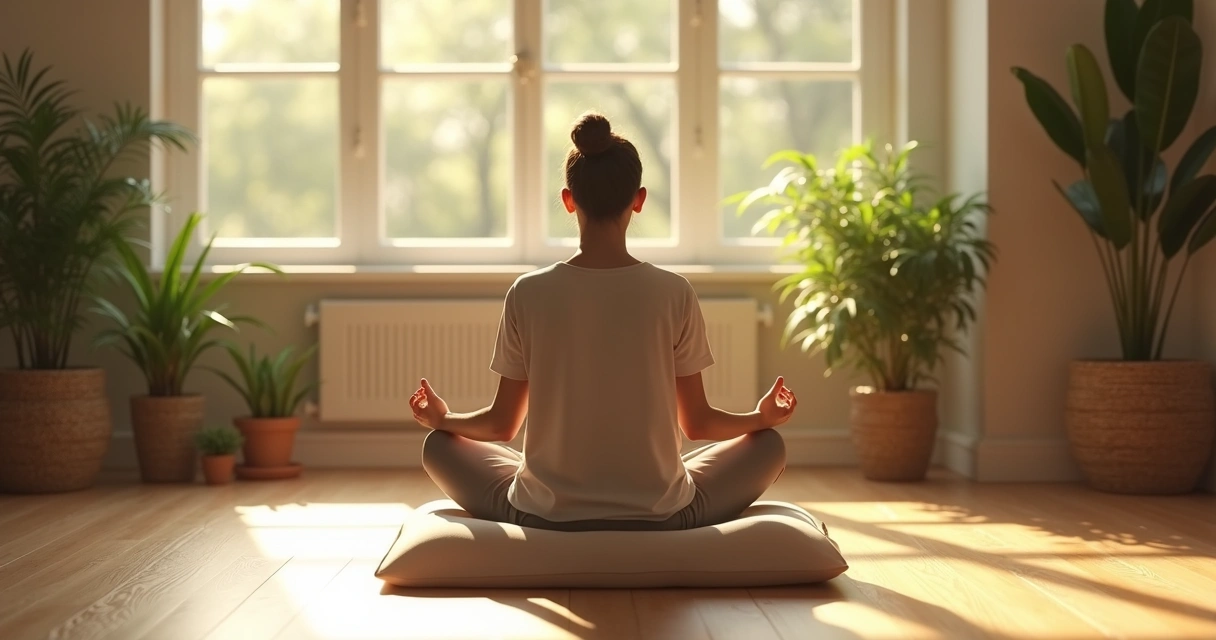
Sit comfortably with both feet on the ground or on a cushion. Allow the breath to become slow and steady. Notice areas of tension in your body—jaw, chest, stomach. Breathe into them for several cycles. This grounds the mind and gives it a safe place to return if difficult feelings arise.
3. Observe without judgment
Bring awareness to the feelings or thoughts tied to the conflict. Watch them arise. No need to push them away or indulge in the story—just notice. As the University of Silesia’s research highlighted, people who adopt this approach tend to lower their conflict escalation and increase healthy dialogue.
4. Bring compassion to all sides
After you have fully encountered your perspectives and feelings, consciously invite empathy for both yourself and the other parties involved. Sometimes we place a hand over the heart as a reminder that everyone suffers, and everyone is trying to find peace. This step, though simple, changes everything.
5. Reflect and set a small intention
To close, take a moment to reflect: What do I understand now about this conflict? What is one thing I can do differently today, whether it is a word, a gesture, or a pause the next time tension arises? Set a gentle intention and let it stay in your mind for the day.
We have personally watched how a few weeks of simple daily conflict meditation can lower defensiveness, soften anger, and create unexpected breakthroughs, even in long-standing disputes.
Daily meditation in real-world scenarios
The difference meditation makes goes beyond just feeling calmer. In practice, these skills show up in how we handle stress at home, resolve workplace disputes, and navigate close partnerships. For instance, an extensive study from Northern Arizona University found that mindfulness “moderated” the need for constant conflict management in intimate relationships. When people were more mindful, disputes had less power to reduce satisfaction and closeness.
The ability to pause changes the outcome.
The same holds true for friendships, group work, and even casual social situations. Daily meditation builds a reliable foundation for conflict healing that does not waver with the moods of the day.

Obstacles and gentle solutions
Every practice meets resistance. We have faced days when meditation feels impossible, or when anger overwhelms the urge to pause. When that happens, we adjust expectations. If sitting for fifteen minutes seems out of reach, we try three slow mindful breaths. If reviewing a conflict is too intense, we start with a less painful tension. The key is forward movement, one day at a time.
We also try not to treat meditation as medicine for other people’s faults. The healing always begins with our experience. Sometimes, as we practice, those around us shift without a word from us.
Conclusion: Healing, one breath at a time
Conflict is an invitation—sometimes unwelcome—for deeper understanding, closeness, and growth. Through daily meditation, we open a space between reaction and response. In that space, healing unfolds. Over time, we find not just resolution, but connection restored.
Healing moves at the speed of our attention.
With each breath, we prepare the ground for new understanding and more peaceful relationships, both inside and out.
Frequently asked questions
What is meditation for conflict healing?
Meditation for conflict healing is a practice that uses mindful awareness and compassion to address the roots of interpersonal or internal conflict. Instead of reacting automatically, we use meditation to notice our emotions and thoughts, pause before acting, and bring understanding to all sides of a disagreement. This approach helps transform conflict from a source of pain into an opportunity for growth and reconciliation.
How can I start daily conflict meditation?
Start by choosing one conflict or tension to focus on. Sit comfortably, relax your breath, and ground yourself in your body. Bring gentle attention to the feelings, allowing them to come and go without judgment. Offer compassion to yourself and others in the conflict, and close the session with a small intention for how to respond differently next time. Even a few minutes each day can make a difference.
Is meditation effective for resolving conflicts?
Multiple studies, such as the research published in Frontiers in Psychology and those from the University of Silesia, have shown that mindfulness-based practices improve conflict resolution, reduce escalation, and support healthier relationships. While meditation does not “fix” conflicts instantly, it supports the skills and mindsets that make true resolution possible.
How long should I meditate each day?
We have found that consistency matters more than length. Even 5 to 10 minutes per day can create noticeable change when practiced regularly. Over time, you might choose to increase the length, but the real benefit comes from making it part of your daily life.
Can meditation help with family conflicts?
Yes, meditation can be especially powerful for healing family conflicts. By practicing mindful awareness, it becomes easier to pause before old patterns repeat, speak with more patience, and listen with more openness. As family relationships often carry deep emotions, even small changes in your response can create space for new connection and understanding.