
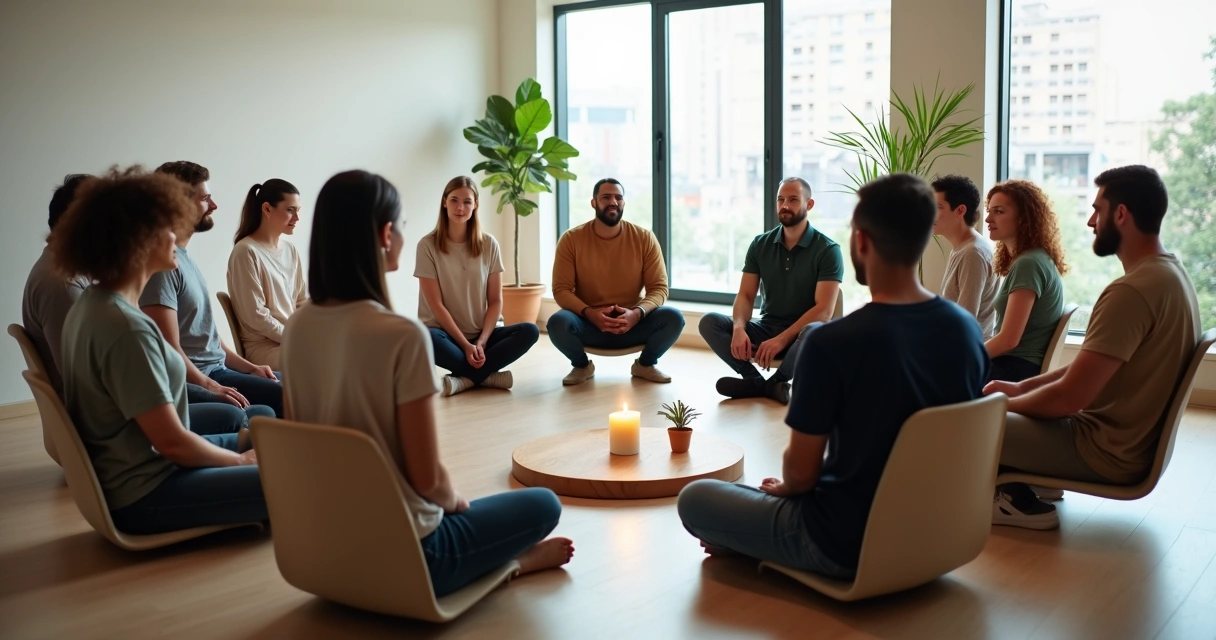
We often underestimate the subtle—but powerful—energy that emerges when a group fully arrives into the present moment together. Collective presence in group settings shapes not only what we do but how deeply we connect, how clearly we think, and how responsibly we act. In our view, building collective presence is not about following a specific method or reciting fixed rituals. Instead, it’s a living practice, woven through attention, intention, and shared humanity.
Why collective presence matters in group settings
Whenever people come together, each person brings not only their skills and goals but also expectations, emotions, and sometimes, invisible barriers. This mix can leave rooms buzzing with distraction or restless anticipation. But we’ve noticed something changes when a group slows down, breathes, and consciously brings shared attention to “now.”
The most impactful group moments often start with simple presence.
Presence is not passivity. It is an active receptivity—a readiness to listen, notice, respond, and express. When presence is collective, a group’s intelligence multiplies, trust grows, and even conflicts can lead to growth and discovery.
How do we recognize collective presence?
Strong groups show similar signs when presence emerges. We’d describe the atmosphere as calm but alert, open yet quietly energized. People listen deeply, words are chosen with care, and silences feel natural instead of awkward.
Collective presence can be felt as a shared sense that “we are here together and what is happening now matters.”
Some markers include:
- Attentive listening without interruption or rushing
- Pauses are respected rather than filled
- People check in with themselves before responding
- Body language softens, faces become more expressive
- There is space for agreement and disagreement, both held with respect
Steps to build collective presence in any group
Based on our practice and observation, collective presence can be nurtured through careful attention to a few steady steps. These do not require special training, but they do require practice and a willingness from all involved.
Begin with a shared pause
Starting with a collective pause—even for just one minute—signals a shift from everyday busy-ness to a shared intention. We invite everyone to notice their breath, the feeling of their feet on the floor, or the sounds around them. This pause works like an arrival gate; it marks the crossing from scattered attention to a gathering of presence.
Set a clear intention
Once the group has paused, we find it valuable to name why we are together. Sometimes we do this out loud: “We are here to understand each other about this project.” Other times, it may be enough to share an intention through body language or a gentle look around the room. This intention helps anchor the group’s focus.
Encourage active listening
Groups thrive on listening as much as on talking. We recommend making listening visible. That might mean reflecting back what has been said or simply nodding before responding. If energy starts to fade or drift, a gentle reminder to return to listening often helps.
Invite presence with questions
Not every group will flow easily; sometimes, tension or distraction appears. We like to bring presence back by asking simple, open questions:
- “What’s happening right now in the group?”
- “How are we feeling in this moment?”
- “Is anything unsaid that needs space?”
Questions that name the present break patterns of autopilot and create space for honesty.
Honor silence
Many of us are used to filling every gap with words. In our sessions, though, we treat silence as an equal participant. Allowing silence after someone speaks can deepen meaning and invite slower, more authentic sharing.
Practice embodied presence
We believe that presence lives in the body as much as in the mind. Encourage people to gently check in with their posture, breath, or the sensations in their hands. If tension shows up, let it be acknowledged rather than ignored.

What can weaken collective presence?
In our experience, presence can be fragile in groups. Several habits or dynamics tend to break the flow. Being aware of these is the first move to prevent them from taking over.
- Frequent interruptions or one person dominating the conversation
- Multitasking, especially with phones or laptops
- Judging or dismissing what someone shares
- Ignoring the emotional tone of the group
- Not naming underlying conflicts or uncomfortable truths
Collective presence cannot survive long when disengagement or judgment replaces curiosity and respect.
When we notice distraction, we gently name it, or pause to reconnect. Sometimes, it means returning to the breath, taking a break, or briefly checking in with feelings.
Simple rituals to build presence regularly
Small recurring practices help groups stay grounded and present, especially in ongoing projects or communities. While not every ritual works for every group, these simple ones have made a difference in our meetings:
- Opening and closing rounds: Each person shares a word or brief check-in at the start and end
- Centering breath: Everyone pauses for three slow breaths together before the main action
- Moment of gratitude: Acknowledge one positive thing about being together
- Intention-setting: State, in one sentence, why this meeting or gathering matters
Importantly, these rituals are not for show. Their power comes from the intention behind them, not from their mechanics. When presence becomes a habit, groups can return to it even when tensions or tiredness arise.

Conclusion: Presence as a living practice
Collective presence is not a destination or a one-time achievement but a daily unfolding. When we practice it in groups, we invite more than attention—we invite care, creativity, and honest connection. In our eyes, any group can share presence, no matter the size or task. All it takes is a willingness to pause, to notice, and to arrive together.
Presence brings us home to each other, right here, right now.
Frequently asked questions
What is collective presence in groups?
Collective presence in groups means the shared state of attention, openness, and awareness among all members at the same time. It’s a feeling that everyone is fully “here” together, not distracted or holding back. This atmosphere creates space for genuine communication and connection.
How can we build collective presence?
We suggest starting with a pause, clarifying intention, and making attentive listening a group value. Use open questions to pull attention to the present, honor silence after sharing, and check in with the body regularly. Simple rituals, like taking breaths together, help too. Most importantly, approach presence as a shared practice, not a single step.
Why is collective presence important?
Collective presence enhances trust, understanding, and creativity in groups. It helps people communicate more honestly and solve problems together. When presence is strong, groups feel more connected, make better decisions, and work together with more care.
What are common barriers to presence?
Common barriers include distraction from devices, one or two people dominating, unspoken conflicts, rushing, or judging others. These break the flow of group connection. We find that naming what’s happening and pausing for a moment can gently shift the group back into presence.
How do I measure collective presence?
It can be tricky to measure, but you can look for signals like attentive listening, comfort with silence, thoughtful responses, and overall engagement. Groups that regularly check in with how present they feel—whether through reflection or feedback—often become more attuned to their levels of presence over time.