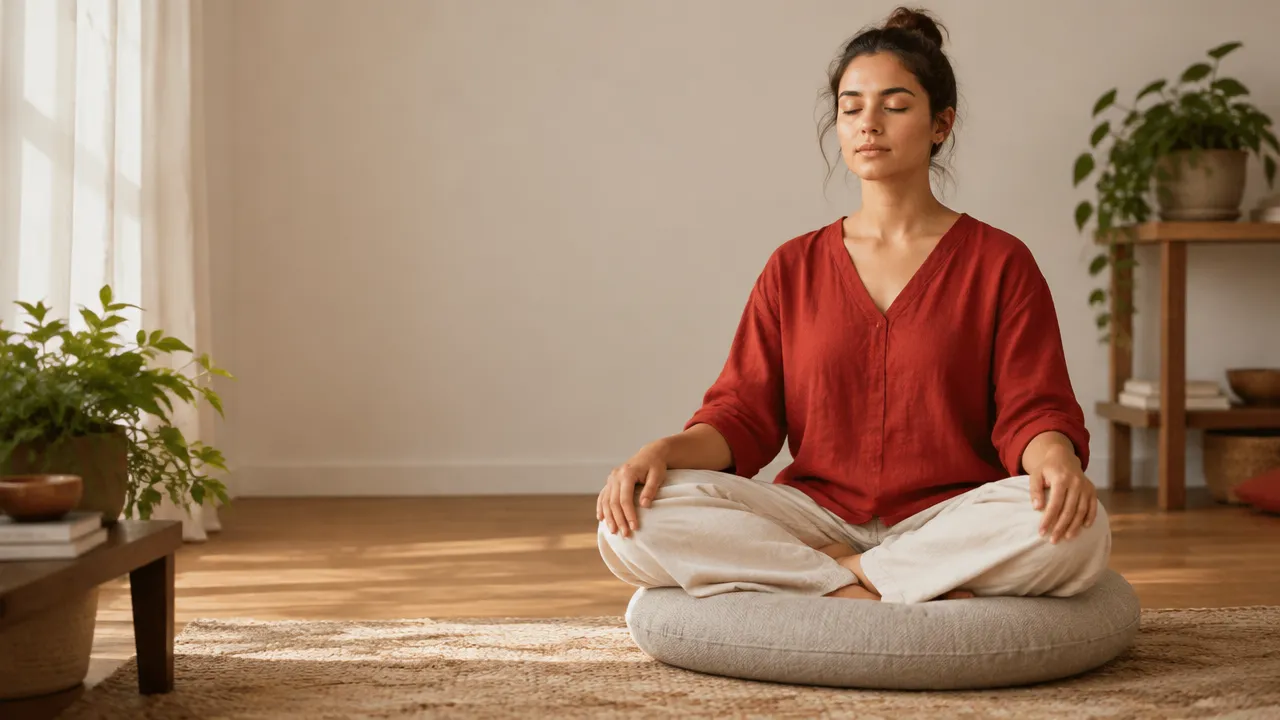

Mantra meditation uses the gentle repetition of a word, sound, or phrase to steady attention. It can suit beginners who want a clear point of focus, as well as experienced meditators seeking a practice that connects inner reflection with daily choices. The key is not finding a supposedly perfect phrase, but choosing one you can repeat with care and live out in your relationships.
Key points to remember
- A mantra is an attention anchor, not a guarantee that a wish will come true.
- Choose a phrase that fits your tradition, values, and intention.
- Begin with a few minutes, repeating silently or aloud, and return gently when distracted.
- Let the practice shape how you listen, respond, and treat people after meditation.
What happens during mantra meditation?
Mantra meditation means returning attention to a repeated word or phrase. You can say it aloud, whisper it, or repeat it silently. When thoughts pull you away, notice that they have wandered and begin the phrase again. The repetition gives attention a simple task without requiring you to empty your mind.
Mantras have different meanings across spiritual traditions. Some are sacred sounds or inherited phrases; others are simple secular words. The NCCIH meditation overview describes a mantra as a repeated word or phrase and notes that meditation includes varied practices. A phrase can be meaningful without being treated as a universal formula.
For a practical spirituality, the measure is not how calm you feel during every session. Notice whether the practice helps you pause before reacting, listen more fully, or choose a more responsible response. That is how quiet attention can become useful in ordinary life.
How do you find a mantra that fits?
Choose a mantra for its meaning and suitability, not because someone claims it is the most powerful. A useful phrase is short enough to remember, comfortable to repeat, and connected to an intention you can practice in real situations.
- For a traditional practice: Learn the phrase’s meaning, pronunciation, and context from a reliable teacher or community. If you are new to that tradition, ask before adopting a sacred phrase casually.
- For a secular practice: Try a plain word such as “steady,” “listen,” or “kindness,” or a brief phrase such as “meet this moment.”
- For a daily challenge: Choose an intention that guides behavior, such as “pause before replying” or “make room for another view.”
There is no single strongest mantra for everyone, and repetition cannot ensure a particular outcome. Think of the phrase as a reminder of how you want to meet the moment, not a way to control other people or bypass difficult feelings. For help connecting inner awareness with decisions, explore ways to bring awareness into decisions.
How can a beginner practice for five minutes?
Keep the first session simple. You do not need special equipment, a perfectly quiet room, or a particular number of repetitions. A chair is fine; sit or stand in a position that feels steady and comfortable.
- Choose one short mantra before you begin.
- Set a timer for five minutes and let your shoulders soften.
- Repeat the phrase slowly, silently or aloud. You may loosely coordinate it with your breathing, but do not force your breath.
- When you notice planning, remembering, or judging, acknowledge the distraction and return to the phrase.
- At the end, sit for a moment and choose one small way to embody your intention today.
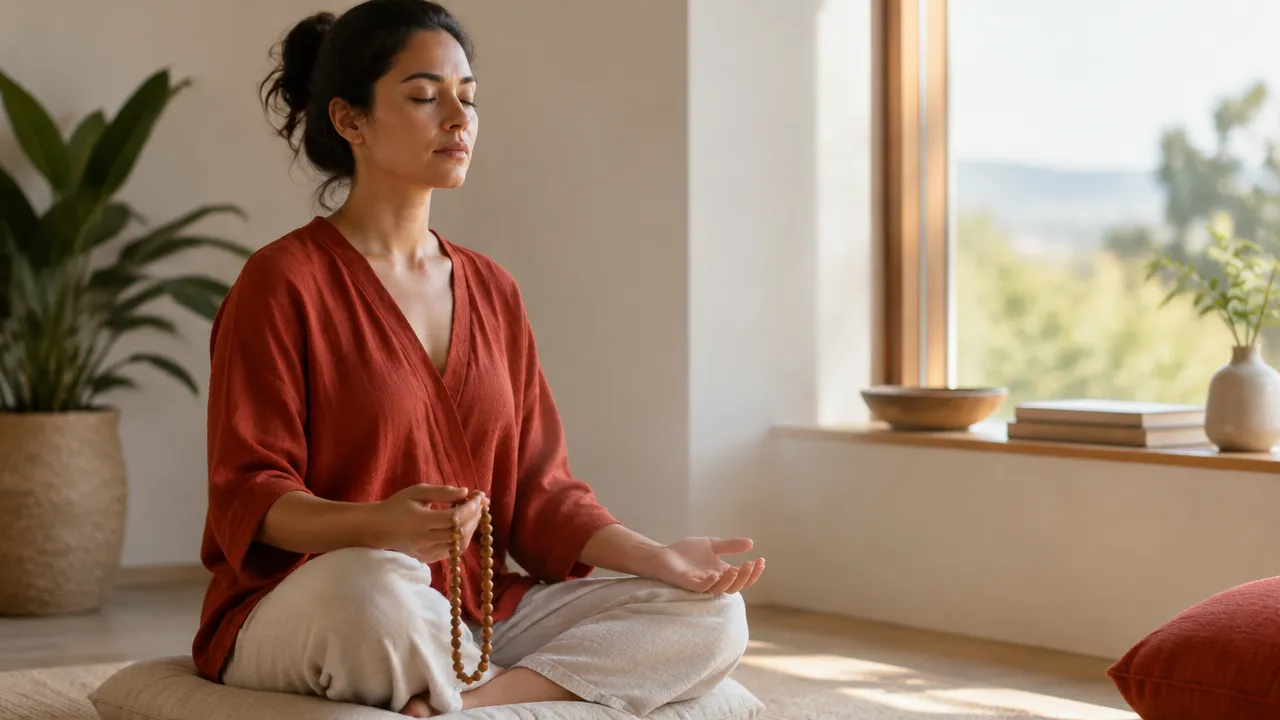
There is no need to count every repetition. A strand of beads can help if you already use one, but it is optional. The central skill is returning without scolding yourself, not maintaining perfect concentration.
How can you carry the practice into daily life?
Use the mantra as a brief cue during a transition, such as before a meeting, while waiting, or after a tense conversation. Repeat it once or twice, then give your full attention to the person or task in front of you. This can make the practice portable without turning every moment into a test of calm.
For example, someone who practices “listen first” might notice the impulse to interrupt during a disagreement, pause, and ask a clarifying question instead. The phrase does not resolve the conflict by itself. It can create a little space for a more deliberate choice.
Short pauses can help build spiritual awareness in daily moments. After practice, ask: “Did this help me act with more patience or honesty?” If the answer is no, use that observation to adjust your phrase or routine, rather than judging yourself.
What does research say, and when should you pause?
Research suggests possible benefits, but it does not prove that every mantra or routine works for every person. A systematic review of mantra-based practices, published in 2022, reported small-to-moderate reductions in anxiety, depression, and stress across included trials. Its authors also noted study limitations, including risk of bias and a lack of long-term follow-up.
Meditation is not a replacement for professional care. The National Center for Complementary and Integrative Health notes that meditation is usually considered low risk, while also describing reports of difficult experiences, including anxiety or depression, across meditation research. That finding is not specific to mantra meditation, but it is a reason to pay attention to your response.
If repetition increases distress, stop and try grounding in your surroundings, walking, or another approach. If difficult reactions persist, seek support from a qualified health professional. The aim is attentive presence, not forcing yourself to continue.
Frequently asked questions
What is mantra meditation?
Mantra meditation is a practice of gently repeating a word, sound, or short phrase while returning your attention to it whenever your mind wanders. You can repeat it silently or aloud. The phrase may come from a spiritual tradition or express a personal quality you want to practice, such as patience.
What is a good mantra for meditation?
A good mantra is brief, easy to remember, and appropriate to your beliefs and intention. You might choose a traditional phrase after learning its meaning and context, or a simple word such as “steady” or “kindness.” The best choice is one you can repeat without strain and use as a mindful anchor.
What is the most powerful mantra?
There is no single mantra that is strongest for everyone. A phrase’s meaning, cultural or spiritual context, and personal resonance matter more than claims that it guarantees a result. Choose one that supports attention and ethical action, and seek guidance from a knowledgeable teacher if it belongs to a tradition you do not know.
Can I make up my own mantra?
Yes, you can use a word or short phrase you create, especially for a secular practice. Keep it realistic and compassionate, such as “pause and listen,” rather than using it to deny difficult feelings. If you choose a sacred phrase, learn its meaning and use from an informed, respectful source.
How long should I practice mantra meditation?
Start with five minutes of comfortable sitting and repeat your chosen phrase at an unhurried pace. When attention wanders, notice it and return without criticism. A short, regular session is easier to sustain than a demanding routine. If repetition feels distressing, stop, ground yourself, or try another form of meditation.