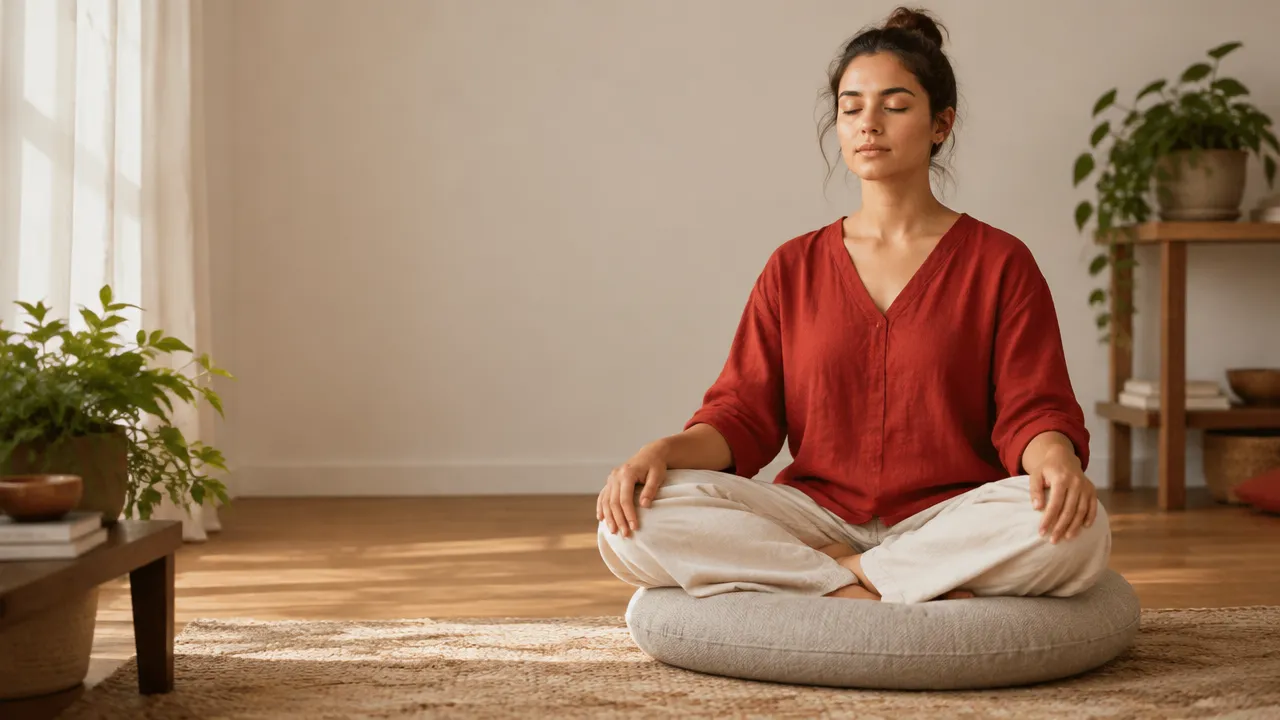
Vipassana meditation is a practice of observing experience as it unfolds, especially the breath, bodily sensations, thoughts, and emotions. Beginners can start at home with a short, steady routine that builds awareness without demanding a blank mind. Its deeper value is practical: noticing a reaction gives you more room to choose how you respond to yourself and others.
Key points for beginners
- Begin with natural breath awareness, then observe bodily sensations without trying to change them.
- When attention wanders, notice that gently and return to the practice.
- A short home routine is different from an intensive residential course in a particular tradition.
- Meditation is not a substitute for professional care, and you can pause if the practice becomes distressing.
What Vipassana meditation involves
Vipassana is commonly translated as insight or clear seeing. Rather than suppressing thoughts or chasing a special state, the practitioner notices what is happening and how the mind reacts to it.
In the S.N. Goenka tradition, students first develop attention through Anapana, observing the natural breath. They then practice systematic awareness of sensations throughout the body, learning to notice pleasant and unpleasant experiences without automatically grasping or resisting them. This is a specific teaching tradition, not the only way the word Vipassana is used.
Equanimity does not mean indifference. It means recognizing a sensation or emotion without immediately turning it into an impulse. That pause can help make awareness visible in ordinary choices, including how you listen, speak, and handle conflict.
How to try a beginner practice at home
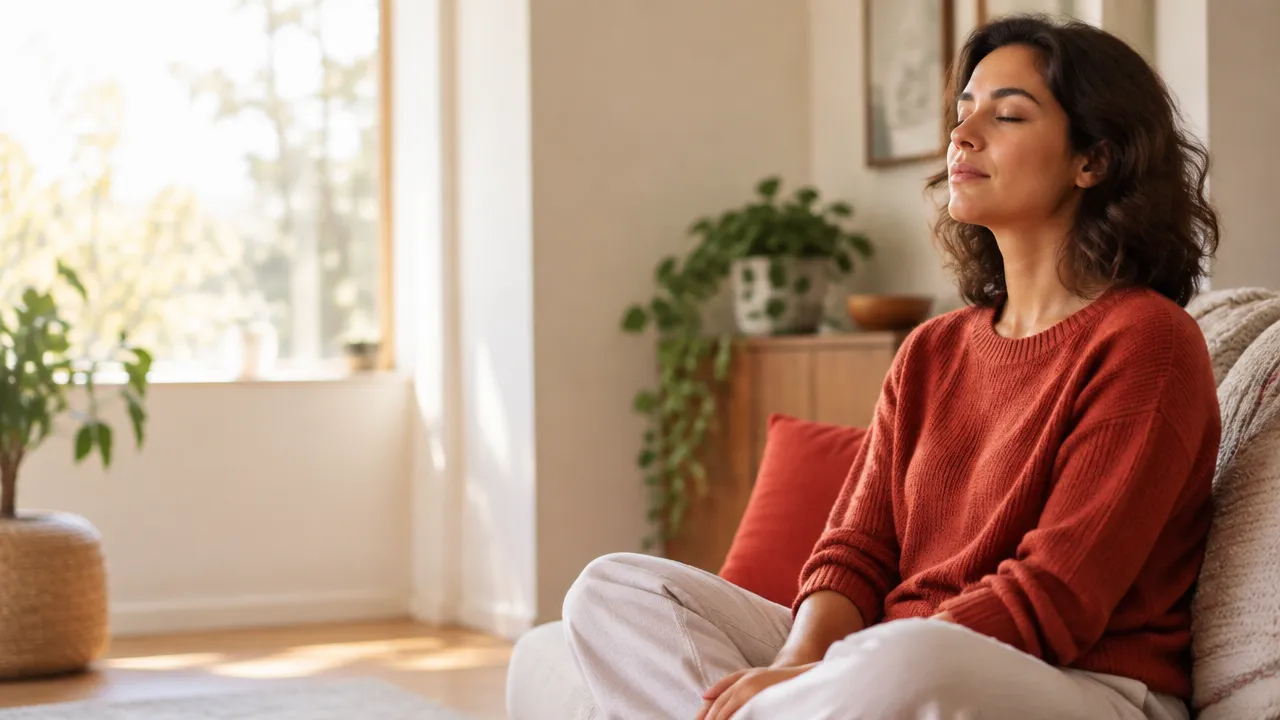
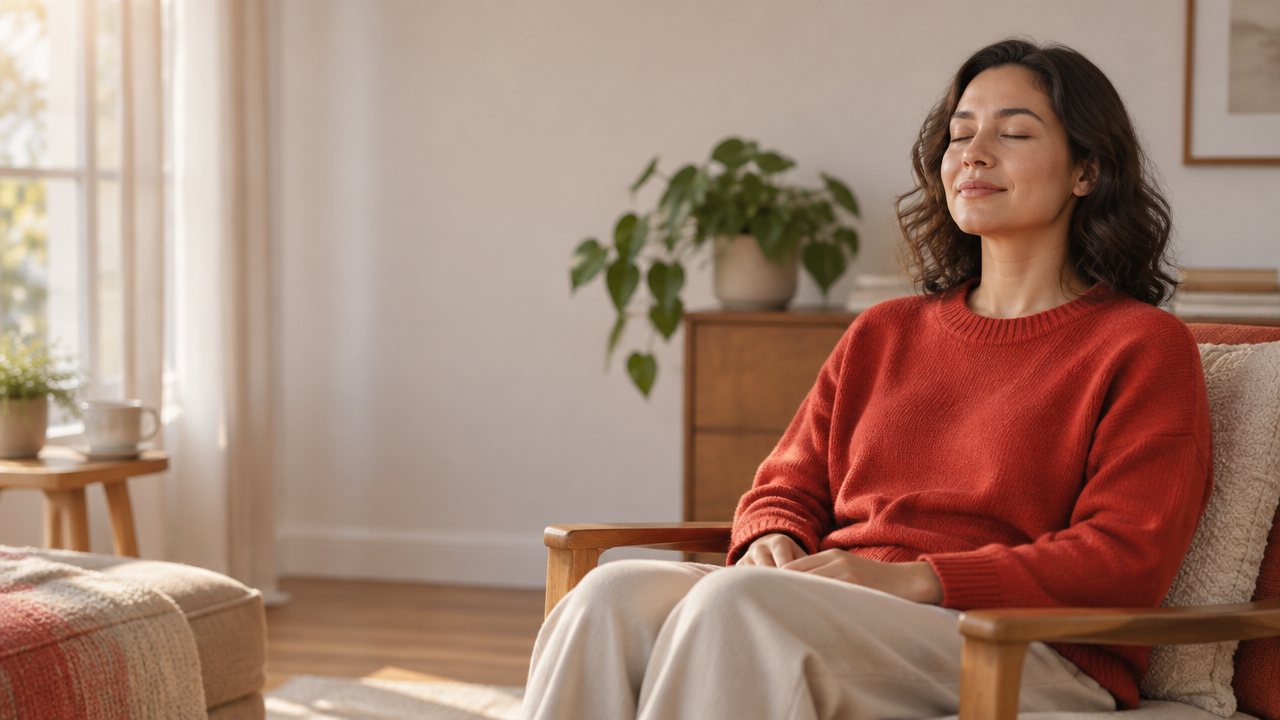
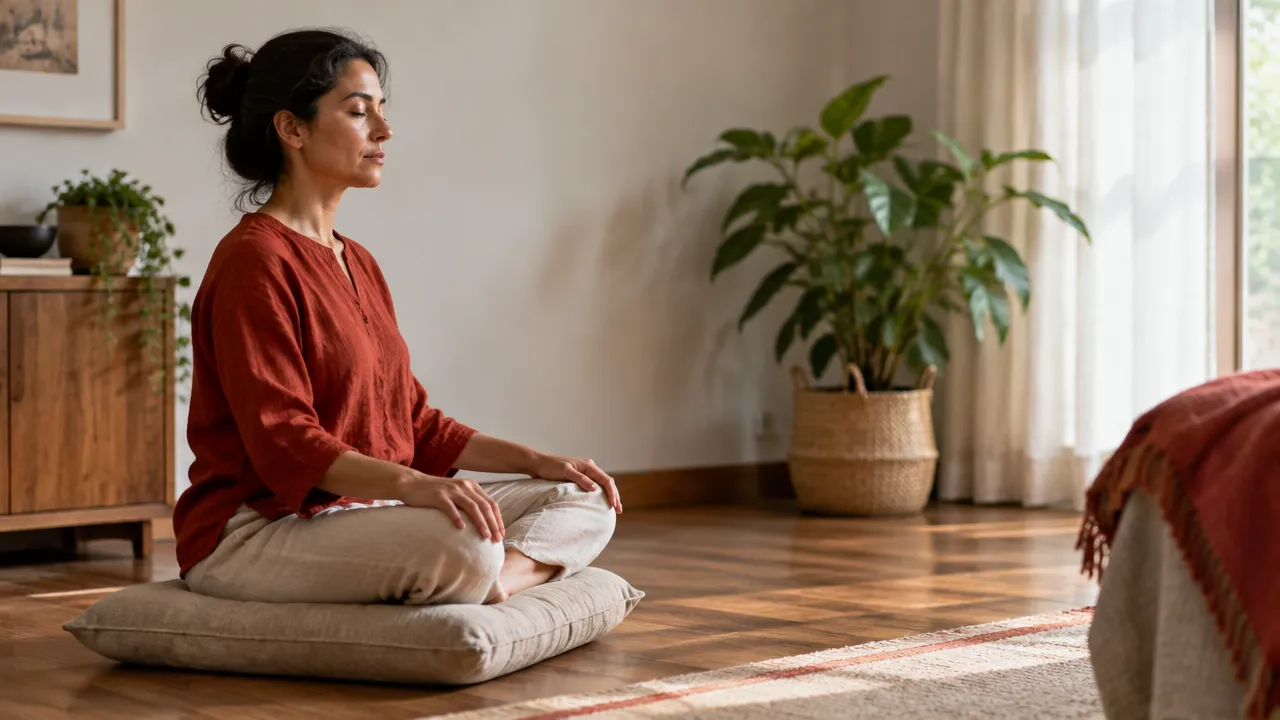
Start with five to ten minutes in a quiet place. Sit on a chair or cushion, keep your posture comfortable, and let your hands rest naturally. You do not need special clothing, a ritual, or a perfectly still mind.
- Notice the natural breath at the nostrils, chest, or abdomen for a few minutes.
- Bring attention to a small area of the body, then gradually notice sensations elsewhere.
- Observe what is present, such as warmth, pressure, tingling, or a lack of a clear sensation.
- When you notice distraction or judgment, acknowledge it and return to bodily experience.
- End by noticing the whole body and the sounds around you before standing.
This short routine is a beginner-friendly practice inspired by Vipassana principles. It is not a complete substitute for guidance in a formal lineage. For a closer look at how bodily attention relates to awareness, explore meditation and somatic awareness.
What should you expect, and what does research say?
Expect your attention to wander. Restlessness, sleepiness, irritation, or a busy stream of thoughts are not proof that you are failing; noticing them is part of the exercise. The aim is to observe experience more clearly, not to force calm or eliminate emotion.
Evidence about meditation varies by practice and study quality, so avoid treating possible benefits as guaranteed outcomes. A review of body-scan trials indexed by PubMed’s research summary found a small effect on mindfulness compared with passive controls, while noting limitations in study quality and mixed findings for health outcomes. That review concerns body-scan meditation, not every Vipassana course.
Meditation can also feel uncomfortable for some people. The U.S. National Center for Complementary and Integrative Health summarizes a review in which about eight percent of participants reported negative effects, commonly anxiety or depression. If a session intensifies distress, stop, ground yourself in the present environment, and consider qualified support.
Is a ten-day retreat right for you?
A ten-day retreat is an intensive commitment, not a required first step. In the S.N. Goenka tradition, courses generally follow a structured schedule, include Noble Silence, and ask students to follow a code of discipline. The tradition’s course code and discipline explains restrictions such as depositing phones and avoiding outside communication during the course.
Courses in this tradition are run on a donation basis, with contributions supporting future students. This arrangement is not universal across every retreat provider, so check the specific center’s policies and any costs you may incur for travel.
Before applying, consider whether you can follow the full schedule and temporarily step away from work, caregiving, or other duties. Ask the center about accessibility, health considerations, food, and how to request help. A shorter daily practice can be a more suitable way to begin.
Bring awareness into daily relationships
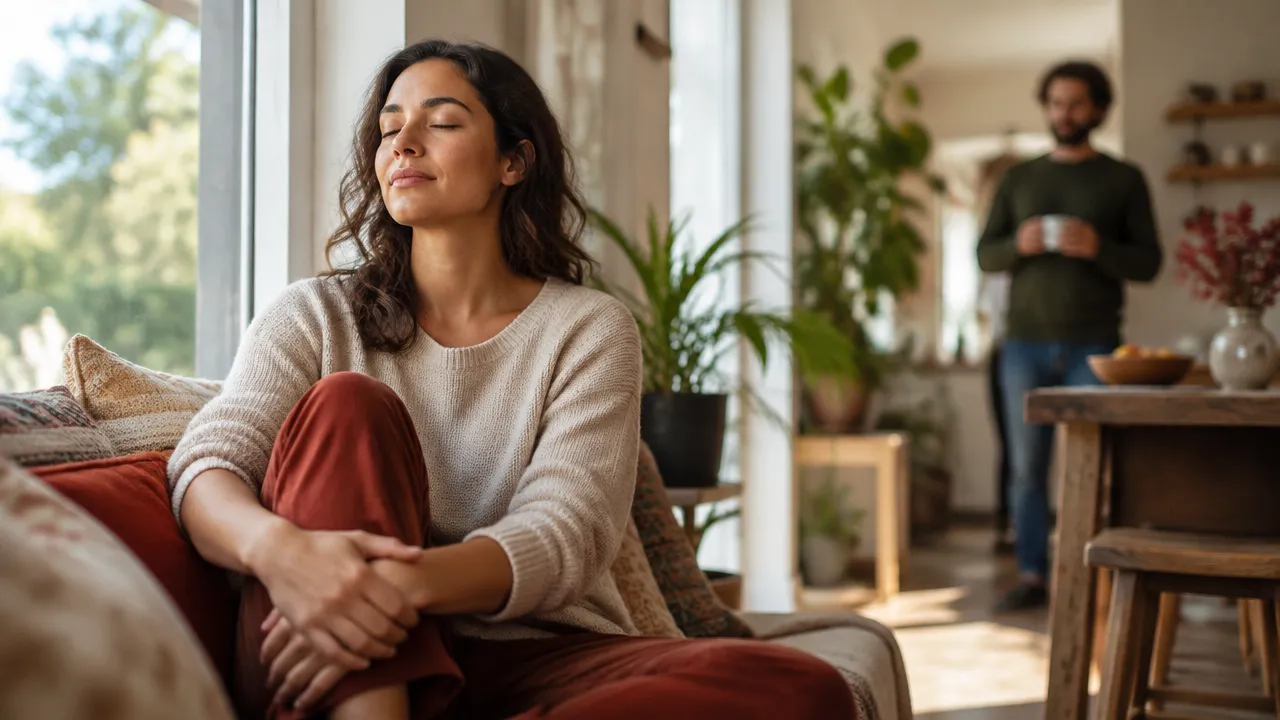
The practice matters beyond the cushion when observation changes how you act. You might notice tension rising during a disagreement, pause before replying, and ask what response would be both honest and considerate. That is not avoiding conflict; it is meeting it with more awareness.
Try carrying a few seconds of attention into routine moments, such as eating, walking, or listening. Small practices can help connect inward awareness with daily conduct; see micro-moments of daily awareness for related ideas.
Frequently asked questions
What is Vipassana meditation?
Vipassana is a meditation practice that trains you to observe present-moment experience, including thoughts, emotions, and bodily sensations, without immediately reacting. In the Goenka tradition, students develop concentration through natural breath awareness before systematically observing sensations throughout the body. The aim is insight and steadier awareness, not forcing the mind to become blank.
How can a beginner practice Vipassana at home?
Start with five to ten quiet minutes in a comfortable seated position. Notice the natural breath, then gently move attention through sensations in the body, returning to the breath whenever you become distracted. This is a beginner-friendly exercise inspired by Vipassana principles, not a replacement for instruction in a specific tradition.
Do I need to attend a ten-day Vipassana course?
No. You can begin with short, regular home sessions and learn whether the practice suits you. A ten-day residential course is an intensive option offered in some traditions, not a prerequisite for mindful observation. If you consider a retreat, read its schedule, code of conduct, and support arrangements before applying.
How much does a ten-day Vipassana retreat cost?
It depends on the center and tradition. Courses in the S.N. Goenka tradition are offered on a donation basis, with past students supporting future courses; arrangements elsewhere may differ. Check the specific center’s current course details, including travel and personal costs, rather than assuming every retreat is free.
What should I do if meditation feels overwhelming?
Pause or shorten the session if you feel distressed, disconnected, or overwhelmed. Open your eyes, notice the room, and return attention to a neutral external anchor, such as sounds. If discomfort persists or affects daily life, stop the practice and seek guidance from a qualified teacher or health professional.
Can I use my phone during a ten-day Vipassana retreat?
Usually not during a traditional ten-day course in the Goenka tradition. The code of discipline says students deposit mobile phones and other electronic devices with course management until the course ends. Policies can vary, so confirm the rules directly with the center and make arrangements for emergencies before you arrive.