Community rituals have long shaped the landscape of our shared human experience. In 2026, in a world full of rapid technological advances and ever-evolving social dynamics, these rituals do more than preserve tradition. We believe they are a practical path to spiritual embodiment—making inner wisdom visible in our daily actions and our relationships. Let us look at why these collective practices speak so powerfully to our humanity right now, and how they nurture a deeper sense of spiritual presence.
Rituals as spaces for shared presence
We often ask ourselves: What do people really seek in rituals? At heart, we think it's connection. Rituals serve as meeting points for shared consciousness and lived values. Whether silent or spoken, simple or elaborate, rituals anchor us in the present moment—together, not just as individuals. In our experience, this shared presence is what transforms a routine gathering into something charged with meaning.
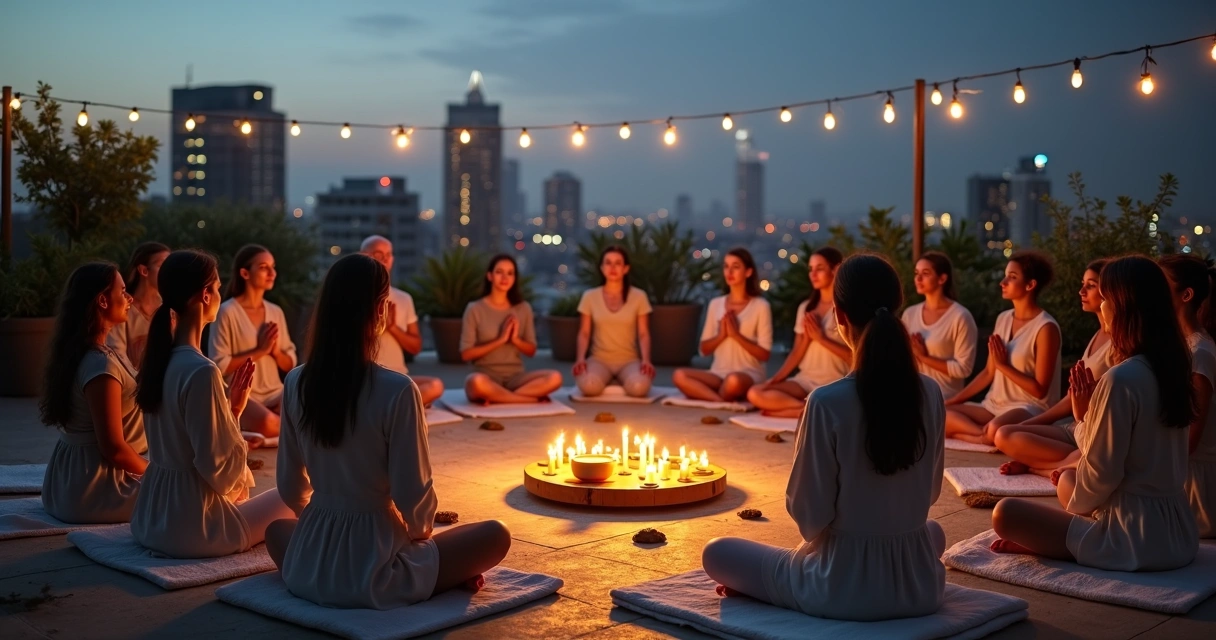
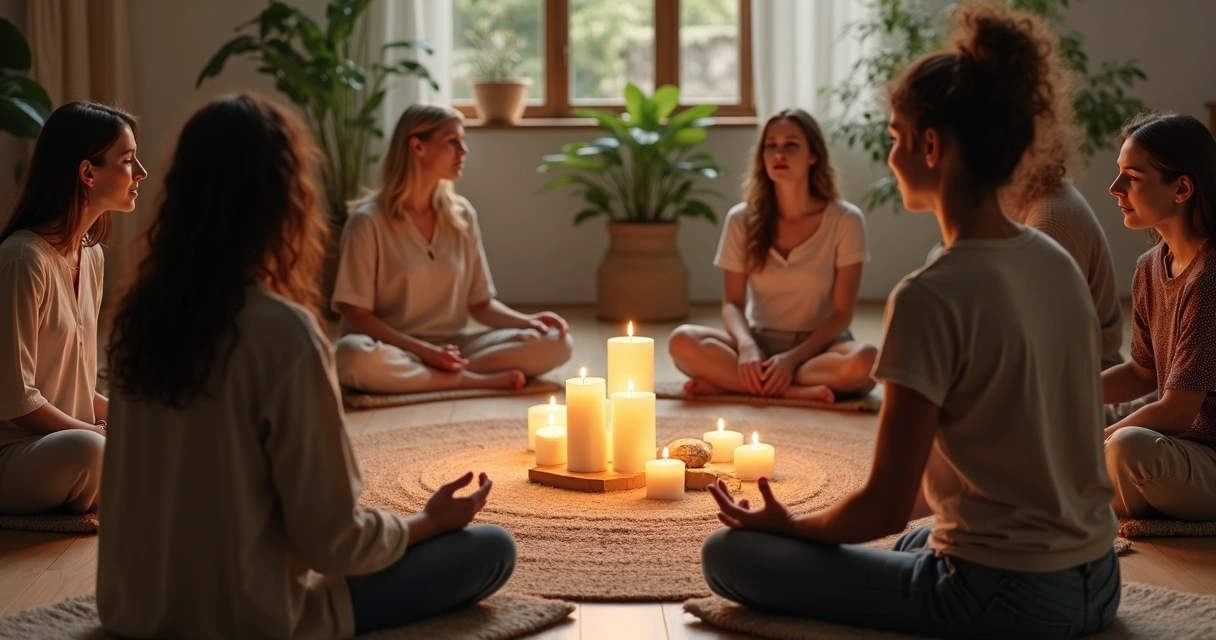
Picture a group gathered in quiet reflection, a circle breathing as one, or neighbors preparing a meal for each other after a long week. These moments remind us that we belong; that our existence is part of something larger and more meaningful.
We gather to remember that we are not alone.
That collective experience of being, even if unspoken, is the soil where kindness, compassion, and awareness easily grow.
How rituals build spiritual embodiment
Spiritual embodiment is the process of making our principles real—in actions, words, and decisions. Rituals are not just symbolic; they help us act out what we want to live inside. Inviting others to join us amplifies the effect, because we witness and support each other's growth.
Over the years, we have observed people return to routine rituals and notice that their behaviors and choices steadily change for the better. This is not magic. Rituals set an intention, create an environment of safety, and guide us gently but firmly toward our best selves.
- They offer space for reflection, away from daily chaos.
- They provide emotional safety through repetition and predictability.
- They reinforce community values in clear, tangible steps.
- They help us practice compassion and responsibility in the presence of others.
- They foster a commitment to individual and collective growth.
When rituals involve active participation—moving, singing, sharing food, listening—they go far beyond words. We internalize what we repeat, especially in the company of others. Shared gestures and intentions become part of our everyday life. As a result, spiritual embodiment becomes easier, more sincere, and much more sustainable.
The role of rituals in 2026
The world has changed drastically in just a few years. Digital life connects us instantly but also risks thinning the depth of real community bonds. We find that, in the midst of uncertainty, rituals assume new importance:
- They slow us down, making space for deeper attention.
- They counteract feelings of isolation and social fragmentation.
- They restore a sense of rhythm and meaning in life’s transitions.
- They bridge generations and cultures through shared symbols.
- They create opportunities to nurture gratitude and empathy.
We have noticed, especially since recent global events, that people yearn for a return to intentional, embodied connection. Digital rituals help, but coming together physically provides a layer of embodiment impossible to replace. Even modest rituals—lighting a candle, sharing silence, speaking gratitude in a group—re-awaken our sense of presence.
In ritual, time stands still long enough for us to meet ourselves and each other.
When we participate in these collective practices, barriers fall away. Titles, professions, and even opinions temporarily dissolve into a shared field of meaning. This unity fosters clarity when facing modern challenges—from climate anxiety to loneliness.
Practical examples of rituals in contemporary life
Rituals adapt to culture, place, and time. In 2026, we have been delighted to see both ancient and newly invented forms flourish. Here are community rituals we have witnessed or heard about recently:
- Morning gatherings where neighbors share intentions for the day
- Group meditations in public parks, followed by silent walks
- Monthly sharing circles with talking pieces and mindful listening
- Community gardening as a ritual act of care for land and people
- Candle ceremonies for life transitions—welcoming new members, honoring losses
- Gratitude circles before group meals, pausing to reflect together
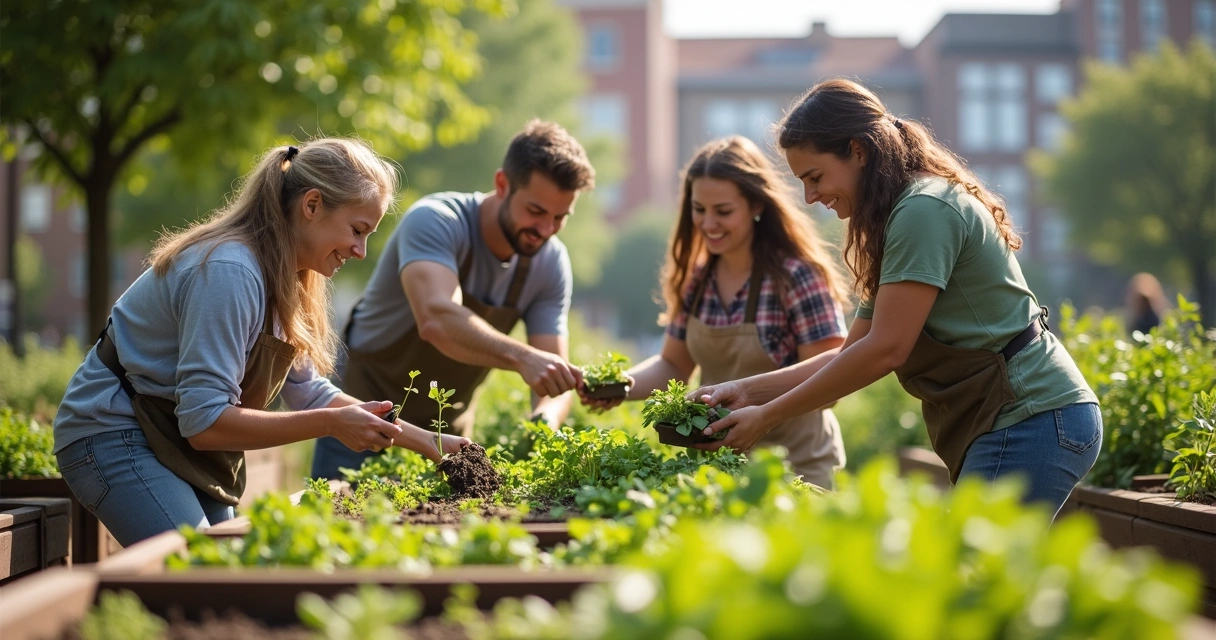
What unites these examples is not the form, but the intention and the shared commitment. It is less about what is done, and more about how we are together while doing it, and how these practices influence our lives outside of ritual space.
Transforming daily life through collective practice
It can be tempting to see rituals as escapes from routine, but from our perspective, the real value emerges when their spirit shapes our daily choices. After participating in a ritual, many people describe being more patient, more generous, better able to respond to stress, and more open to different points of view. This process turns spirituality from an abstract concept into a lived reality.
Rituals also serve as gentle reminders of what matters most. The commitments we make together during shared practices—in honesty, care, and respect—tend to echo in the ways we work, parent, resolve conflicts, and lead. Over time, our communities become more grounded and compassionate, one ceremony at a time.
Rituals are seeds of change planted in human hearts.
Conclusion: Community rituals are bridges to embodied spirituality
In 2026, as the pace of life accelerates and external pressures test our resilience, community rituals stand out as steady anchors. They offer more than comfort; they create the conditions we need to risk being truly present—with each other, and with our own deeper selves.
What happens in ritual does not stay in ritual. The spirit of these practices infuses the way we relate, lead, and care. If spiritual embodiment means living our highest values out loud, then collective rituals are its most reliable training ground.
In our experience, the communities that gather intentionally—even in small, simple ways—tend to be healthier, kinder, wiser, and more able to meet the challenges of this new era. If you have ever wondered whether showing up for a ritual makes a difference, our answer is simple:
Come as you are. Join in. See what changes.
Frequently asked questions
What is a community ritual?
A community ritual is a repeated, shared practice that brings people together with a common intention, often involving symbols, gestures, or ceremonies. It can be as simple as sharing a meal or as structured as a seasonal celebration. The key is that the ritual is done together, reinforcing connection and shared meaning.
How do rituals aid spiritual embodiment?
Rituals promote spiritual embodiment by helping people live their values and intentions through collective action. They offer a space for reflection, reinforce positive behavior, and support emotional safety. Over time, these practices encourage qualities like compassion, awareness, and responsibility to become habits, not just ideals.
Why are rituals important in 2026?
In 2026, society faces new forms of disconnection, speed, and uncertainty. Rituals slow us down and nurture human bonds, making it easier to cope with change and stress. They restore rhythm, support belonging, and help people act with more kindness and purpose in daily life.
Where to join community rituals near me?
Many community centers, spiritual groups, and local organizations host rituals open to newcomers. Parks, libraries, and even online community boards often post events. We recommend listening for word-of-mouth invitations as well—many rituals are grassroots gatherings that welcome all who wish to participate.
Is it worth it to join rituals?
People who join rituals often report a greater sense of connection, clarity, and purpose in life. Even small acts like participating in a gratitude circle or helping with a community meal can strengthen relationships and well-being. If you are curious, consider trying a ritual that feels comfortable. Your presence is enough to make it meaningful.