
We know that stress weaves itself into small moments, not just major events. A traffic jam, a sharp word from a colleague, a never-ending list of chores—stress in daily life feels automatic. Yet, what if we could do more than just manage stress? What if we could transform it, turning agitation and worry into calm, wise action?
We believe the answer lies not in escaping stress, but in working with it—step by step, moment by moment. Here, we will share concrete ways to recognize stress, shift our response, and build a practice of calm action. This is not theory: these are tools for real life.
Understanding stress differently
Common advice tells us stress is the enemy. Yet, from our experience, stress can also be a messenger. It points to something needing attention: a value, a limit, or a challenge.
When we start to see stress as feedback instead of as a threat, we make space to respond, not just react. The first step is awareness.
Notice what stress feels like, before it spirals out of control.
How can we tune into stress as it arises?
We suggest these signs:
- Faster heartbeat and tense muscles
- Racing or looping thoughts
- Restlessness or irritability
- Short, choppy breathing
- Impulse to avoid or attack a problem
These are flashing lights. Not warnings to panic, but signals to pause and pay attention.
Creating a pause before reacting
Imagine getting a stressful email. What happens first? Often, our body tenses and our mind jumps into stories. This is the reactivity loop—automatic, quick, and rarely helpful.
But there is a small window, right before we respond. In this gap, we have a choice. Pausing is not weakness; it is the birthplace of calm action.
Pausing is the first skill for transforming stress, because it lets us move from urgency to clarity.How to practice this pause?
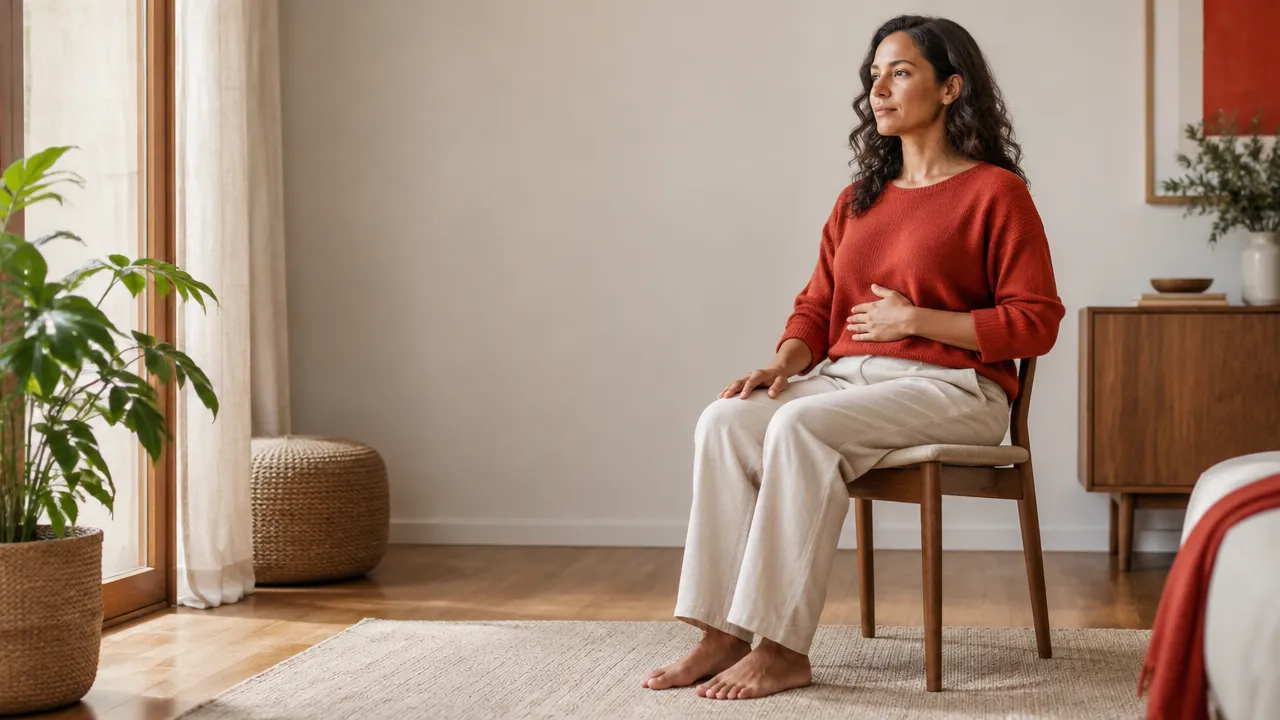
We recommend using the body and breath:
- Feel your feet on the ground. Notice the contact points.
- Take one slow breath, in and out. Feel what moves in your body.
- Let your shoulders drop a little. Notice the room around you.
This takes less than 15 seconds. Yet in our research, it often resets the nervous system enough to rethink the next step.
Reframing stress with simple questions
After a pause, the mind can shift from automatic reaction to a more open stance. We like to ask three practical questions:
- What is really happening here?
- What do I care about in this moment?
- What is one calm and useful action I can take?
These questions act like a compass. They help turn tunnel vision into broader perspective. Sometimes, the action is to speak up kindly. Other times, it is to walk away and return with a clearer view. The point is not perfection, but a response rooted in awareness.
Step-by-step process for calm action
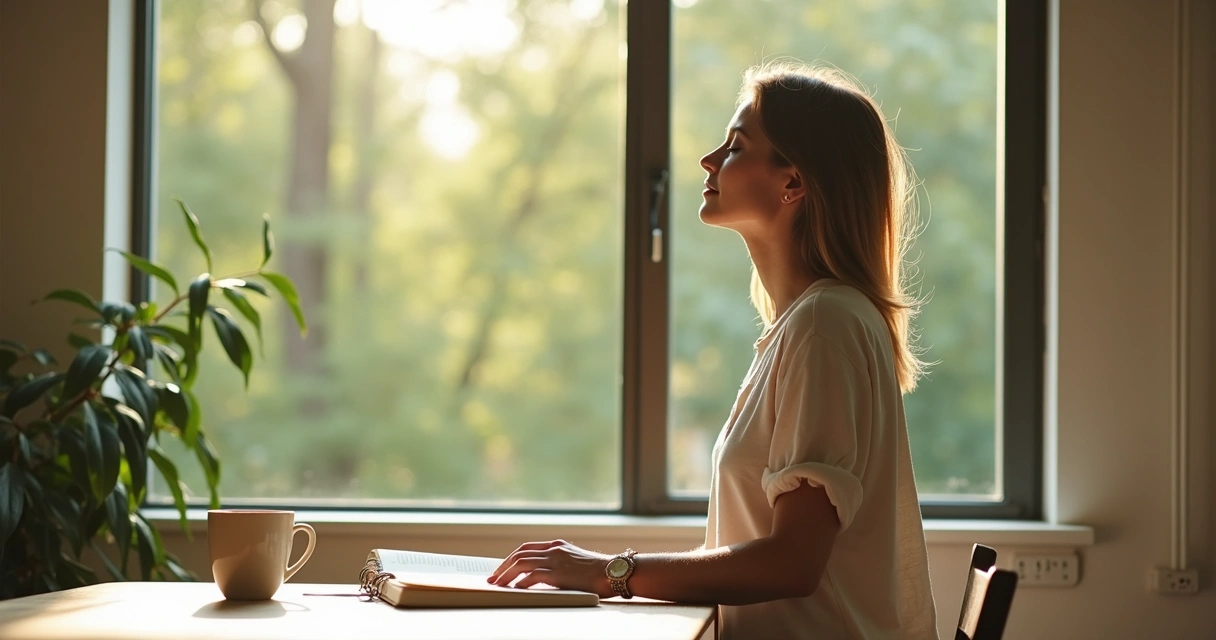
For many of us, stress narrows our focus. We shut down or speed up. But with a practice, we can widen our options. Here is the process we have found helpful:
- Notice the body: Become aware of physical tension, such as clenched jaws or shallow breaths.
- Ground yourself: Feel your connection to a chair, floor, or the air in the room.
- Take three slow breaths: Count while you inhale and exhale. Let thoughts come and go.
- Label the feeling: Name the emotion if you can. “This is overwhelm,” or “I feel anxious.”
- Ask what matters now: Connect with your value—be it kindness, clarity, honesty, or care.
- Choose one small action: This might be asking a question, setting a boundary, or taking a five-minute break.
Why does this help? Because it puts us back in the driver’s seat. We become actors, not just reactors.
Calm does not mean the absence of stress, but wise response in its presence.
Building daily habits of transformation
Turning stress into calm action is a skill, not a one-time fix. We have seen that daily, consistent habits make the biggest change. Here are habits that support this transformation:
- Regular body scans: Take a minute, morning or evening, to check in with tension from head to toe.
- Scheduled pauses: Set gentle reminders to stop and breathe, especially before meetings or after tough news.
- Reflective writing: Jot down what stressed you today, how you reacted, and how you might respond next time.
- Technology breaks: Create oasis moments—turn off notifications, even for a few minutes.
- Movement rituals: Stretch, walk, or shake out tension every couple of hours.
These habits may sound simple, but they build self-awareness over time.

Calm action in relationships and decisions
Stress often shows up with people—family, coworkers, or strangers. It also shapes how we make choices. We have found that, when we practice pausing, reframing, and acting with awareness, our relationships benefit too.
For example, instead of arguing automatically when criticized, we can breathe, listen, and clarify our needs. When faced with a rushed decision, we can build in a moment of quiet before responding. Over time, this supports more respectful and honest relationships.
A single calm action can shift the tone of a whole conversation.
Conclusion: stress as an invitation to conscious living
Stress is not a flaw in the system—it is an invitation. When we meet it with curiosity and respect, it can point to what we care about most. By pausing, grounding, speaking honestly, and acting with intention, we learn to shape our own experience. In our work, we see that calm action is a choice repeated many times a day. Each choice, however small, builds a more aware and caring life.
Frequently asked questions
What is stress transformation?
Stress transformation means turning the energy and signals of stress into thoughtful, calm actions rather than automatic reactions. This approach uses awareness to redirect stress toward something useful or meaningful in daily life.
How to turn stress into calm?
To turn stress into calm, we focus on noticing body signals, pausing to breathe, and asking what matters right now. Then we choose one useful action instead of reacting automatically.By repeating this process, we gradually learn to face stress with more stability and less overwhelm.
What are top stress-relief techniques?
Several techniques can help relieve stress, including slow breathing, grounding exercises, body scans, short movement breaks, and reflective journaling. We find that regular habits, even simple ones, are the most effective for steady change.
Is it worth learning stress management?
Yes, learning to manage and transform stress leads to better decisions, stronger relationships, and a greater sense of well-being. Small, regular practices build skills that last a lifetime.
How can I stay calm every day?
We recommend practicing daily pauses, gentle movement, and awareness techniques like mindful breathing or reflection. Over time, these habits help keep your mind clear and calm, even when stress arises.