

Transitions shape every season of our lives. We make plans, but the unexpected still finds us: a role changes at work, a relationship shifts, or our health takes a sudden turn. In 2026, with the world running faster and unpredictability always near, we all need ways to strengthen our inner response. We believe the answer lies not in bracing ourselves, but in becoming more flexible––and resilient rituals can help us do just that.
Why do we need resilience rituals in modern life?
We all face periods when the ground seems to move beneath us. Whether change arrives by choice or chance, stressful transitions are hard on our minds and bodies. Old routines no longer fit. New uncertainties crowd our thoughts. Without conscious practices, stress can build and wear us down, making it hard to move forward with clarity or kindness.
Resilience rituals give structure to our feelings and choices when the outside world is unsettled. Through simple, repeatable actions, we reconnect with what matters, center ourselves, and tap into creative solutions.
These rituals ground us. They create small moments of peace that help us weather bigger storms.
What makes a ritual different than a routine?
A routine is what happens on autopilot. A ritual, on the other hand, has intention behind it. Here’s how we see the difference:
- Routines happen because we have to, like brushing teeth or checking messages.
- Rituals happen because we choose to, inviting presence into the moment.
- Rituals create meaning from even the simplest acts.
When facing change, this added meaning gives rituals their stabilizing power.

Simple resilience rituals for daily transitions
In our experience, small rituals make a large difference during tough times. By committing to specific, repeatable practices, we train our bodies and minds to respond to change with less fear and more curiosity. The rituals we share below are meant to be adapted, so choose what feels true for you.
1. Five breaths of presence
When a challenge begins to swirl, pause for five slow, conscious breaths. Notice the sensation of air coming in and out. Feel your feet on the ground. Remind yourself:
“Right now, I am here.”
This micro-ritual breaks cycles of worry, helping us anchor our attention in the present.
2. Morning check-in with intention
Before the day’s big decisions or news, settle into a chair and ask, “What do I need today to feel steady?” Write down just one word: maybe ‘kindness,’ ‘focus,’ or ‘patience.’ Keep this word close throughout the day, perhaps on a sticky note.
Over time, we’ve found this daily intention works like a silent guide, shaping our choices at each crossroad.
3. Evening acknowledgment ritual
Transitions often drain our hope or dull our sense of achievement. In the evening, set aside two minutes to name one thing that went well or one step you took towards adapting. Share it with someone, write it down, or even say it aloud in the mirror.
Celebrating small wins helps us see that progress is always possible, even when days are uncertain.
Rituals for bigger transitions
Sometimes, daily habits are not enough. Major changes—loss, new beginnings, or shifts in identity—ask us to reinvent old patterns. For these moments, more elaborate rituals can create space to release what’s passing and welcome what’s new.
1. Letting go letter
Take pen and paper. Write a letter (you will not send it) to what you are leaving behind––a job, home, role, or even an outdated self-image. Express gratitude, speak honestly about what is hard, and say goodbye. You might read this letter aloud and burn or tear it, marking the close of one chapter.
This act, though small, can help us move forward by truly honoring the past.
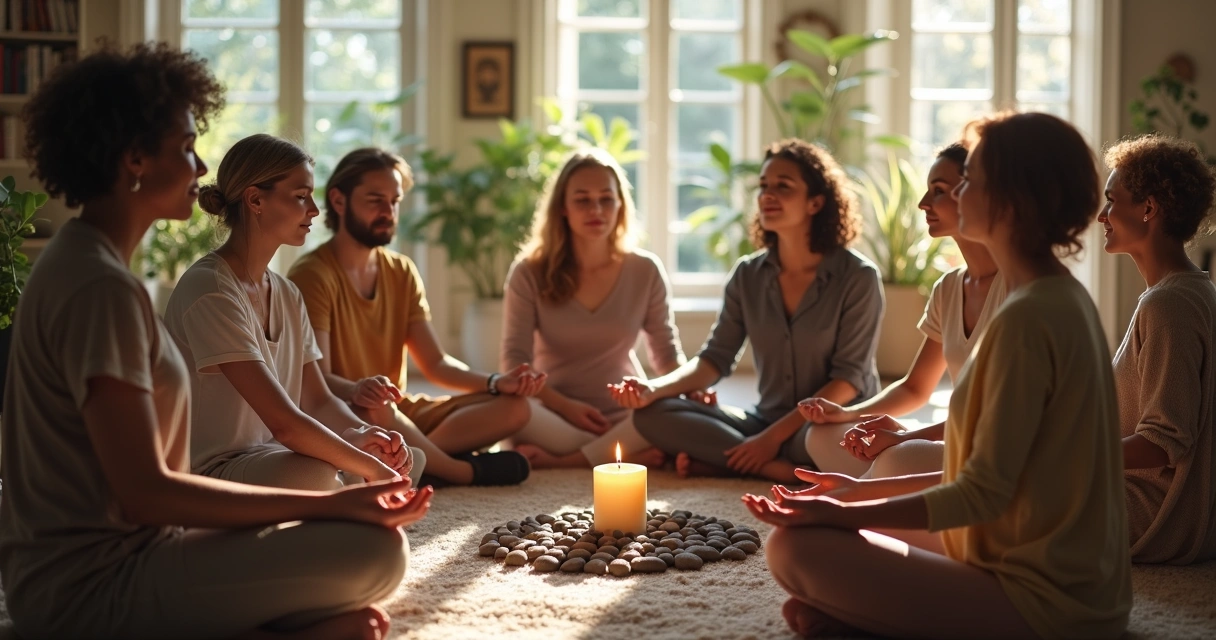
2. Gathering support circle
Invite a few trusted people for a simple gathering. You can light a candle, share stories, or just sit together in silence. The shared act may be small—a favorite song, a group walk—but it acknowledges our interconnectedness. We don’t have to face transitions alone.
Collective rituals strengthen resilience by reminding us we are supported and seen.
3. Walking the threshold
Begin a walk, even a short one, with intention: “This walk marks my movement into a new chapter.” During the walk, notice sounds, smells, and sights. Pause at the halfway point, breathe, and imagine worries melting away, replaced by openness. As you return, reflect on what you want to welcome.
This threshold ritual can be shaped to fit any transition, connecting body, mind, and spirit as we step into the unknown.
Integrating rituals into everyday life
Some of us might resist rituals, thinking they are strange or unnecessary. Yet, in our research and practice, we have seen how even the simplest ritual can change our sense of control and peace during upheaval.
To include rituals in daily life:
- Choose one ritual that feels real for you
- Keep the ritual short at first (one to five minutes)
- Pair your ritual with an activity you already do, like making morning tea or tying your shoes
- Invite others if it feels right—rituals can be shared, even virtually
- Let the ritual evolve with your needs
What matters most is that the practice feels chosen and alive—never forced or hollow.
How resilience rituals change us
Over time, rituals do more than help us cope. They help us grow. We learn that change is not something to just survive, but to participate in. We strengthen our self-trust and expand our ability to stay open, creative, and compassionate during life’s cycles.
When we honor the moments that carry us from one chapter to the next, we discover new strengths and deeper connections—with ourselves, and with each other.
Conclusion
Resilience, for us, is not about never falling down. It is about creating small, meaningful ways to rise again—every day, and in the face of every transition. In 2026, as change continues to shape our worlds, these rituals can offer us structure, hope, and presence. They remind us that we are not alone, and that each new beginning is an invitation to grow stronger, together.
Frequently asked questions
What are resilience rituals?
Resilience rituals are intentional practices designed to help us stay grounded, present, and responsive during times of change. They can be simple or elaborate, but each one aims to support balance and adaptation in the face of life’s transitions.
How can I make resilience rituals?
We suggest starting small by identifying one meaningful action you can repeat regularly, such as mindful breathing or noting a daily intention. Anchor this activity in something you already do, and bring conscious attention to it. With repetition, it can become a ritual that supports your resilience.
Why use rituals during life transitions?
Life transitions often bring uncertainty, stress, or a sense of loss of control. Rituals offer stability, helping us focus attention, process emotion, and create a sense of meaning and continuity during these times.
What are the best resilience rituals?
The best rituals are the ones that genuinely resonate with you. Common examples include intentional breathing, gratitude practice, daily check-ins, or support circles. The key is choosing rituals that feel natural and supportive to your needs.
How often should I practice these rituals?
Frequency depends on your personal needs and the nature of the transition. Some rituals work well daily, while others are used only at key moments. Regular practice can help build the habit and create a lasting foundation for resilience.