

When we speak about community work, we often picture food drives, meetings, shared tasks, and public events. We see hands moving, boxes lifted, chairs arranged, messages sent. What we do not always see is the emotional weight carried by the people who keep a group steady. They calm conflict, notice silence, welcome newcomers, absorb tension, and stay kind when others are tired. That hidden effort is emotional labor.
Emotional labor in community involvement is the work of managing feelings, relationships, and social tension so people can stay connected and move forward.
We think this kind of labor deserves much more attention. In many groups, the person doing it is not the one with the formal title. It may be the volunteer who remembers birthdays, the neighbor who checks on everyone after a hard meeting, or the organizer who carries private stories home at night. The work looks soft from the outside. It is not soft when we live it.
What emotional labor looks like in real life
We have seen this happen in simple scenes. A planning meeting starts late. Two people disagree. One person goes quiet. Another looks close to tears but says nothing. Then someone steps in with a calm voice, changes the tone, invites both sides to speak, and protects the dignity of the room. The agenda continues. Most people call that a good meeting. Few stop to ask who paid for that peace with their attention and energy.
Care is work.
Emotional labor in communities can include many acts that seem small on their own:
- Listening to painful stories without turning away
- Helping people feel seen, safe, and included
- Soothing frustration after conflict or delay
- Carrying group memory and unspoken tensions
- Protecting morale when people feel discouraged
- Balancing honesty with kindness in hard moments
These actions do not always appear in reports or schedules. Yet they shape whether a community becomes a place of trust or a place of strain.
When emotional labor goes unseen, communities often depend on it even more while valuing it even less.
Why this labor is often invisible
Part of the problem is cultural. Many people are trained to value what can be counted. Hours. Funds. Attendance. Deliveries. Emotional steadiness is harder to measure, so it gets pushed to the side. We may praise the result while ignoring the inner effort that made the result possible.
There is also a habit of treating care as a personality trait instead of work. If someone is patient, warm, or good with people, others may assume that helping comes naturally and costs nothing. In our experience, that assumption causes harm. Even the most generous person has limits.
A related issue is role expectation. In some groups, a few people become the unofficial emotional anchors. Others begin to expect them to mediate every conflict, welcome every newcomer, and absorb every difficult feeling. Over time, this can lead to imbalance. The group benefits, but the caregiver slowly empties out.
Who tends to carry it
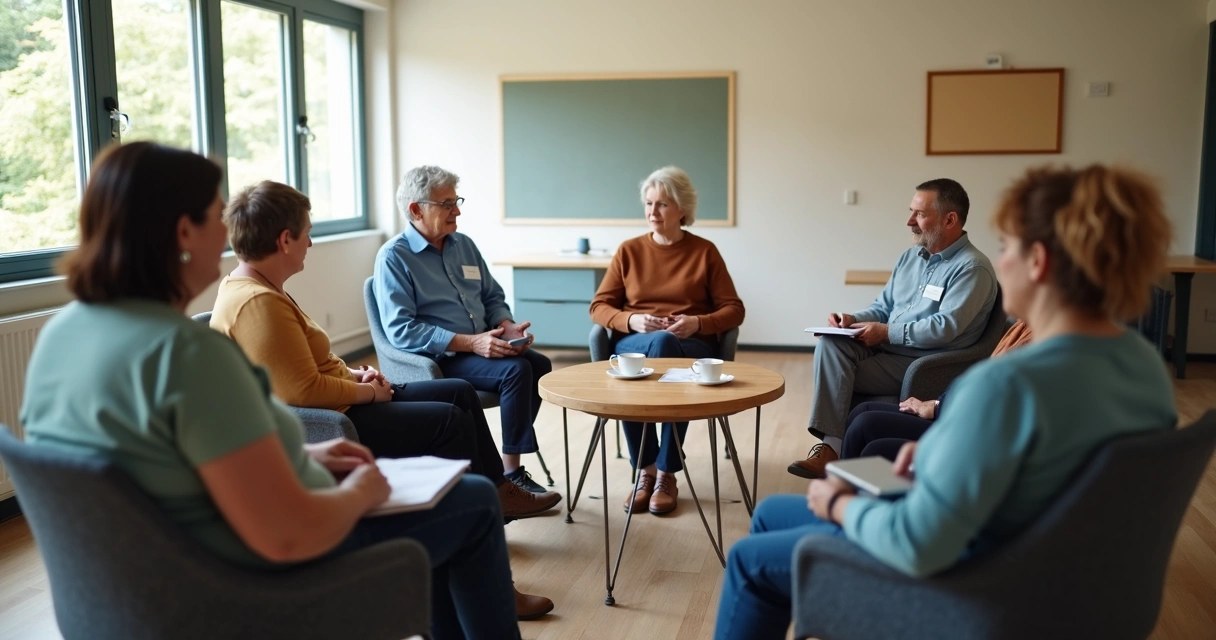
Emotional labor can fall on anyone, but it often gathers around people who are seen as dependable, empathetic, or available. Sometimes they choose the role. Sometimes the role chooses them. They become the ones people call late at night. The ones who smooth over offense. The ones who know which volunteer is grieving, which family is struggling, and which member is quietly thinking of leaving.
We should also note that this burden is often shaped by social patterns. People who are already expected to be patient or nurturing may end up doing more emotional repair than others. That does not mean they are better suited for strain. It means communities need more fairness in how care is shared.
Outside formal volunteer spaces, this is visible in caregiving too. Research on unpaid adult caregiving found that about 15% of U.S. adults provide unpaid care to another adult, and nearly half describe that experience as very meaningful. We find that striking because meaning and strain can live together. A role can feel deeply worthwhile and still ask a lot from the heart.
Signs that emotional labor is becoming too heavy
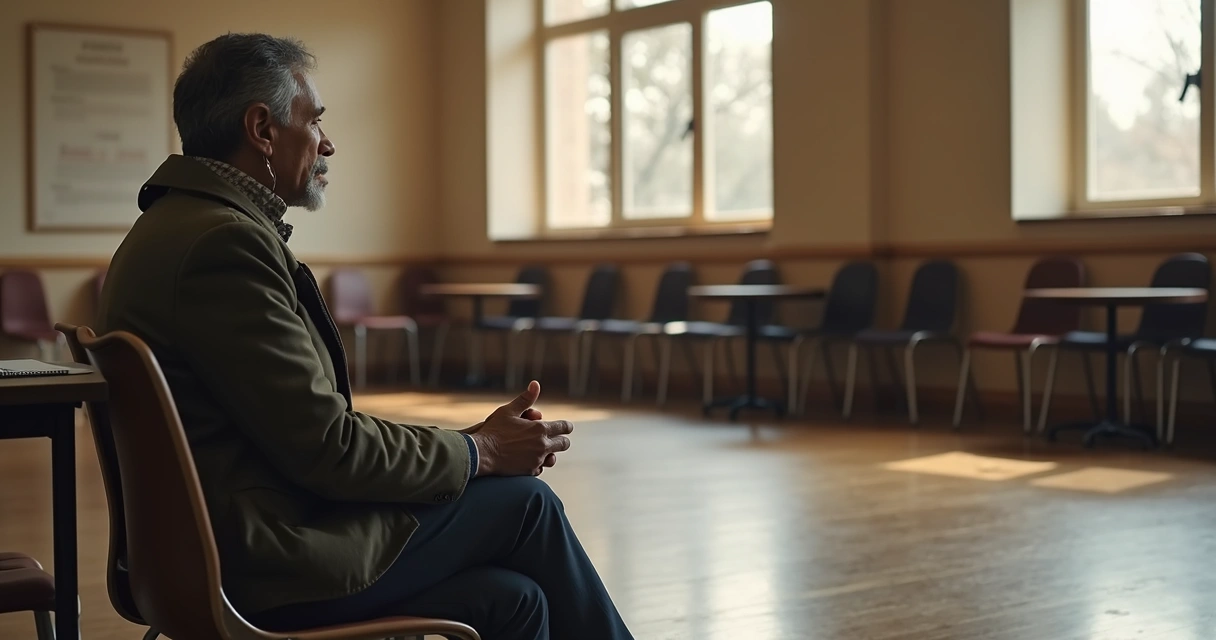
Many people do not notice the cost until their body speaks first. They feel drained after every meeting. They begin to dread messages. They grow numb, short-tempered, or withdrawn. They stop offering warmth because there is none left to give.
Some signs deserve close attention:
- Feeling responsible for everyone else’s mood
- Struggling to rest after community interactions
- Resenting tasks that once felt meaningful
- Avoiding people because of emotional overload
- Feeling guilty when setting simple limits
- Losing a sense of joy in shared service
These signs are not weakness. They are signals. They tell us that care without support becomes a burden.
Burnout often begins long before someone stops showing up.
That pattern appears in care-centered roles beyond volunteer groups. A PLOS One study on community health workers describes emotionally demanding work under limited resources and administrative pressure, with greater risk of burnout marked by emotional exhaustion and a lower sense of accomplishment. Even though community settings differ, the lesson is familiar. Human contact can nourish us, but constant emotional demand without enough support can wear us down.
How communities can honor this work
Recognition is a start, but words alone are not enough. If we truly value emotional labor, we need structures that support it. That means sharing it, naming it, and making space for recovery.
In our view, healthy communities do a few things well:
- They name emotional tasks openly in roles and expectations.
- They rotate demanding responsibilities when possible.
- They check on the people who are always checking on others.
- They make room for rest, boundaries, and honest feedback.
- They treat listening and conflict repair as real contributions.
Sometimes the shift begins with one sentence in a meeting. “We see the care work happening here.” That simple act can change the emotional climate. People feel less alone. Hidden labor becomes shared knowledge.
It also helps to build small rituals of support. A short debrief after a tense event. A private thank-you that names a specific action. A pause before assigning one more hard conversation to the same person. These gestures seem modest, yet they protect the heart of a group.
Conclusion
Community involvement is not held together by task lists alone. It is held together by presence, patience, restraint, and courage in ordinary moments. We think recognizing emotional labor helps us become more honest about what shared life asks from people. It also helps us care for one another in a more mature way.
To acknowledge emotional labor is to respect the unseen human effort that keeps community life humane.
If we want stronger communities, we cannot only praise visible service. We must also notice the quiet labor that carries fear, disappointment, grief, and hope without applause. That is where much of the real work has been all along.
Frequently asked questions
What is emotional labor in communities?
Emotional labor in communities is the effort involved in managing feelings, relationships, and group tension. It includes listening, comforting, welcoming, mediating conflict, and helping others feel safe or included. This work supports the social health of a group, even when it is not formally assigned.
How can I recognize emotional labor?
We can recognize emotional labor by noticing who calms conflict, who listens to private pain, who checks on others, and who carries the mood of the group. If someone is doing steady relational care that helps people stay connected, they are likely doing emotional labor.
Why is emotional labor often overlooked?
It is often overlooked because it is less visible than physical tasks or measurable results. Many people also mistake care for personality instead of work. When emotional support looks natural, others may fail to see the effort, time, and inner cost behind it.
How can I support emotional labor?
We can support emotional labor by naming it, thanking people for it, sharing demanding roles, respecting boundaries, and creating time for rest. It also helps to check in with those who often support others and ask what kind of help they need.
Is emotional labor worth acknowledging?
Yes. Acknowledging emotional labor helps communities become fairer, kinder, and more honest. It reduces the risk that a few people carry the emotional weight for everyone else. Recognition also shows respect for the hidden effort that keeps community life stable and humane.