Every person searches for a sense of deep presence—a way of being fully here, fully now, truly alive to each moment. Whether sitting side by side with others or retreating inward, the path to presence can look very different. We have seen time and again how both group meditation and solo reflection offer distinct doors into this experience, each carrying its own gifts and challenges. Which one truly helps us deepen presence? There is no universal answer, but by honestly looking at both, we can discover which path—or combination—may guide us closer.
Understanding presence in our daily lives
Presence is not a mystical abstraction or fleeting mood. It is the felt sense that we are truly with ourselves, with others, and with what is happening, nothing pushed away or exaggerated. In our experience, the difference it makes is immediate: listening without distraction, responding with care, and feeling the quiet fullness even as life rushes on. Presence is not an escape from reality, but an opening to it.
Presence means we meet this moment as it is—awake, honest, and engaged.
But how do we deepen this presence? Two common avenues—silent, solo reflection and gathering in group meditation—seem to offer different keys. Let’s consider how each shapes our mind, attention, and relationships.
The quiet power of solo reflection
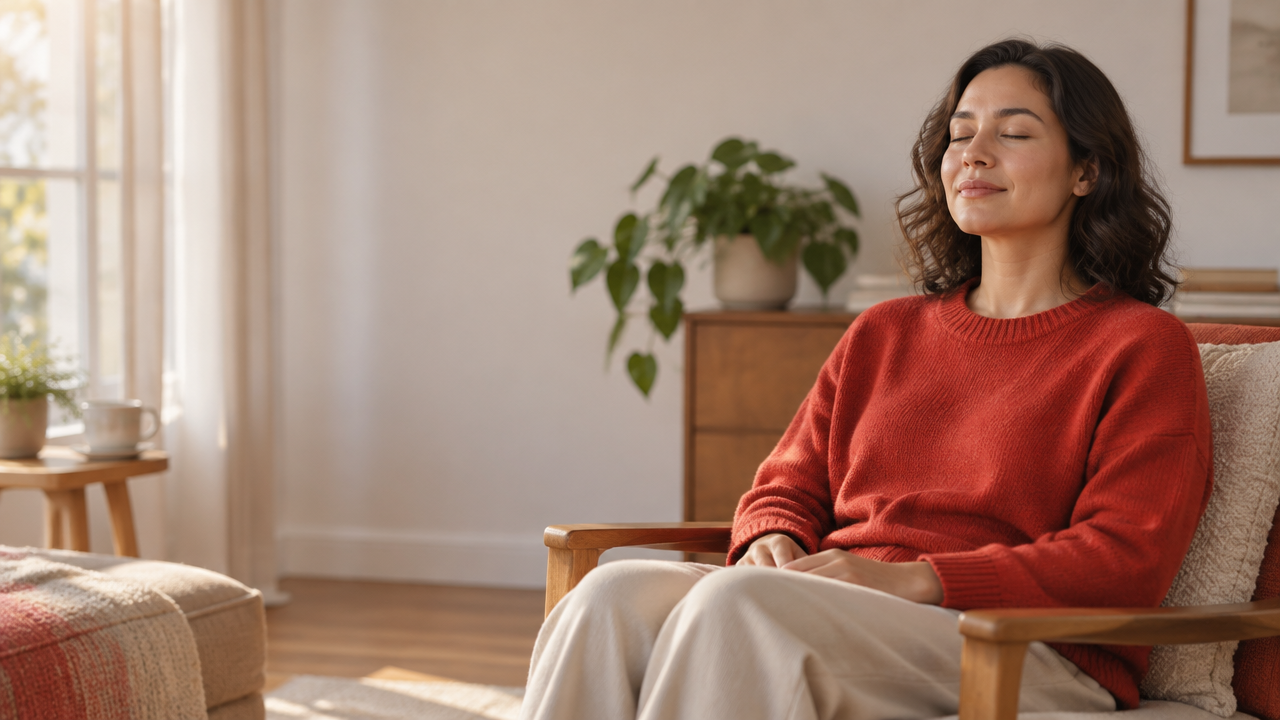
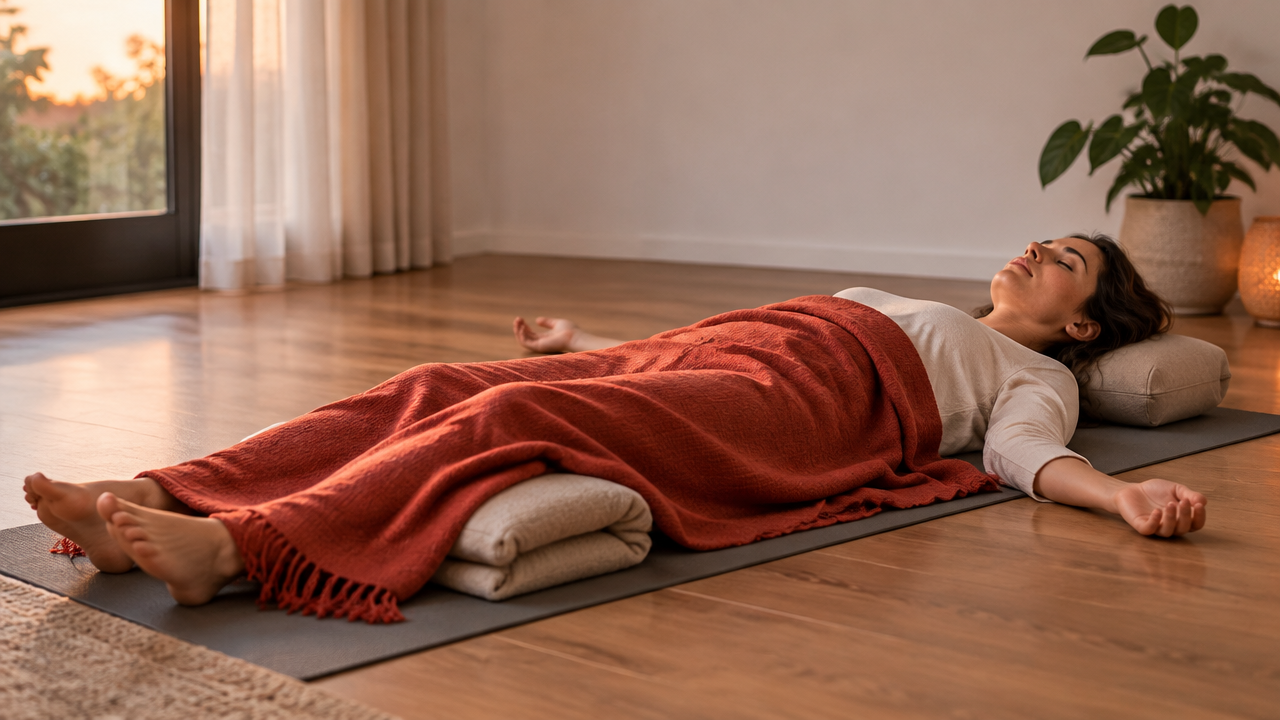
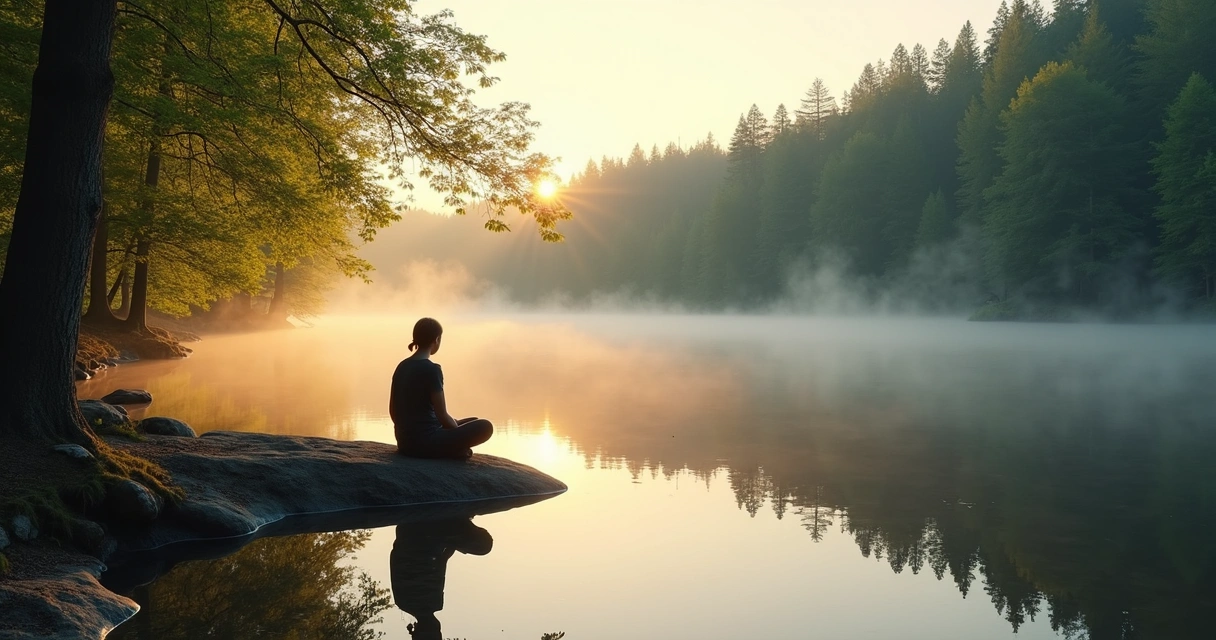
Solo reflection is the practice of sitting with our own breath, thoughts, or questions, without any need to perform or compare. In solitude, the noise of roles and expectations fades; we face just ourselves. Often, this feels daunting at first, but solitude lets us:
- Notice our real thoughts and emotions, rather than echoing the group’s mood
- Move at our own pace, staying longer with what feels uneasy or meaningful
- Develop a relationship with our mind—frustrations, hopes, silence included
- Listen for insights or intuitions that arise only in quiet
We have noticed many people are surprised by what arises in solo reflection. Sometimes restlessness, sometimes calm. Sometimes memories or creative ideas. Presence comes not from what appears, but from how we meet it—without judgment, as an uninvited guest could become a friend.
Solo reflection can help us see the patterns that drive us, giving us a space to respond rather than react.
Possible challenges in solo reflection
Solitude is not always peaceful. Without outer distractions, old worries, regrets, or plans may bubble up. These moments are part of the process, not signs of failure. We have found it helps to:
- Set gentle time boundaries (5 to 20 minutes to start)
- Focus on one anchor—breath, bodily sensation, or a question
- Write down insights, but don't force solutions
- Accept that thoughts will come and go, and gentle return is the practice
Over time, solo reflection builds a stable kind of presence. Our attention is less easily blown away by circumstances or others' opinions. This becomes especially clear when we bring ourselves back to the present after a day’s busyness.
The shared presence of group meditation
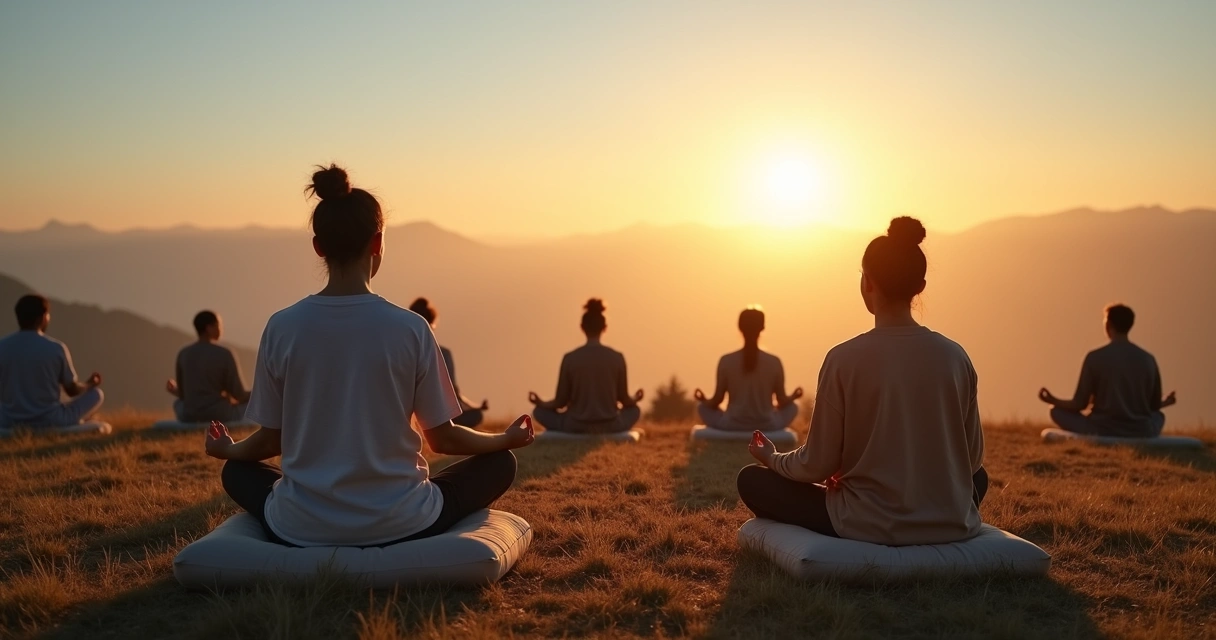
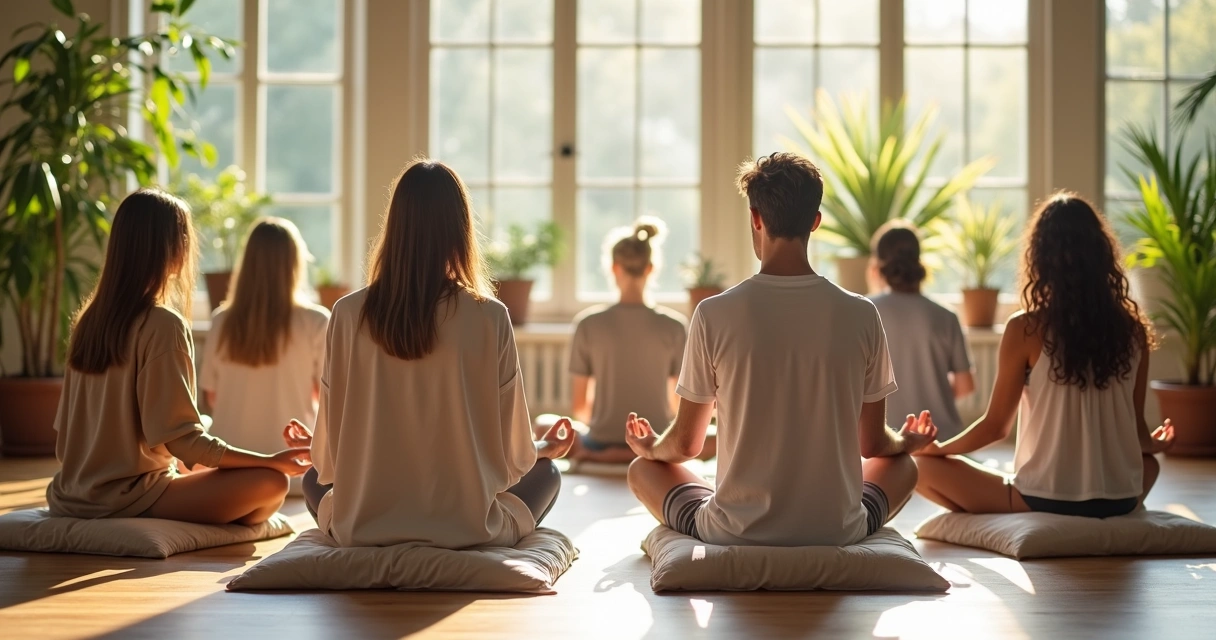
Group meditation brings people together to sit in shared silence, guided practice, or gentle conversation. If you have ever walked into a room where everyone is settling into quiet, you know the subtle energy shift—a sense of invitation, and sometimes, gentle accountability. We believe group meditation offers several unique qualities:
- A sense of belonging and connection; the shared intention helps focus the mind
- Guidance (often from a facilitator) that can support beginners and steady attention
- Motivation and momentum, knowing that others are taking the practice seriously
- The echo of calm; being around others who are grounded can inspire our own presence
We have witnessed how group meditation can create a powerful “field” of calm—a sense that each person’s effort helps build a shared foundation. For those who struggle with self-discipline or feel isolated, this support can make all the difference.
In group meditation, the presence we experience becomes contagious—a silent support rising from those beside us.
Possible challenges in group meditation
Groups, of course, are not immune to distraction or self-consciousness. People sometimes find themselves comparing progress, feeling judged, or distracted by others’ movements. Here are a few gentle ways we have found to work with these challenges:
- Choose groups where you feel safe and accepted
- Notice comparison as a thought, not a fact
- Shift focus from others to shared silence
- Bring curiosity and acceptance rather than perfectionism
Over time, group meditation can transform simple presence into fellowship—a sense of being part of something larger than our individual story.
When does each deepen presence?
Presence is a living experience, so it changes depending on our needs and circumstances. We have watched many people, including ourselves, touch presence most deeply through different means at different stages of life. The keys often are:
- If we crave connection, support, or feel easily distracted, group meditation can bring us back
- If we are looking inward, grappling with questions, or rebuilding self-trust, solo reflection may lead us deeply in
- At times, alternating both keeps our practice balanced: group sessions for energy and renewal, solo reflection for integration and honesty
There is no need to judge one method as better; both can guide us back to presence, just in different ways, and sometimes, one prepares us for the other.
A story of both paths meeting
Here is something we have observed. Someone starts with solo reflection, slowly learning to sit with their breath or feelings. With time, courage grows, and they decide to join a small group, feeling anxious but curious. As the group sits in quiet, they notice for the first time that silence can feel like belonging, not emptiness. When they next return to solo reflection, new warmth and steadiness anchor their attention. Their depth of presence has grown, not through a single path, but by letting the paths support each other.
Whichever road we take, presence grows when we meet it with sincerity.
Conclusion: The path to presence is unique to each of us
Presence doesn’t belong to group meditation or solo reflection alone. We see both as companions along the way, opening different doors. Solo reflection gives us honesty with ourselves. Group meditation weaves us into a larger fabric of awareness. Both require courage, and both reward us with glimpses of truth and connection.
Let your own needs be your guide. Try one, then the other, or both together. In our experience, the “right” way is the one that helps you feel more awake, more kind, and more real—here, now, with life as it is.
Frequently asked questions
What is group meditation?
Group meditation is the practice where several people come together to meditate in a shared space, often following a similar technique or guided session. The group setting can help participants feel supported and connected, and sometimes includes a facilitator who leads the process.
What is solo reflection?
Solo reflection is a personal practice where someone spends time alone, quietly observing their thoughts, feelings, or breath without any outside guidance or company. This process helps individuals become aware of their inner experiences and build a direct relationship with their own mind.
How can group meditation help presence?
Group meditation helps presence by creating an environment of shared intention and calm, making it easier to stay attentive and engaged. The silent support from others can encourage deeper focus, and the experience of community often strengthens a sense of connection and belonging.
Is solo reflection better for beginners?
Solo reflection can be approachable for beginners who prefer privacy, but some may find it challenging to maintain focus or motivation. Groups often provide structure and encouragement, but solo practice lets individuals move at their own pace. Both options can be helpful for beginners, depending on personal comfort and goals.
Where can I join group meditations?
Group meditations are commonly found in local community centers, yoga studios, and sometimes even public parks. Some organizations and religious institutions also offer regular meditation sessions. It is helpful to look for events or groups that match your style and comfort level.