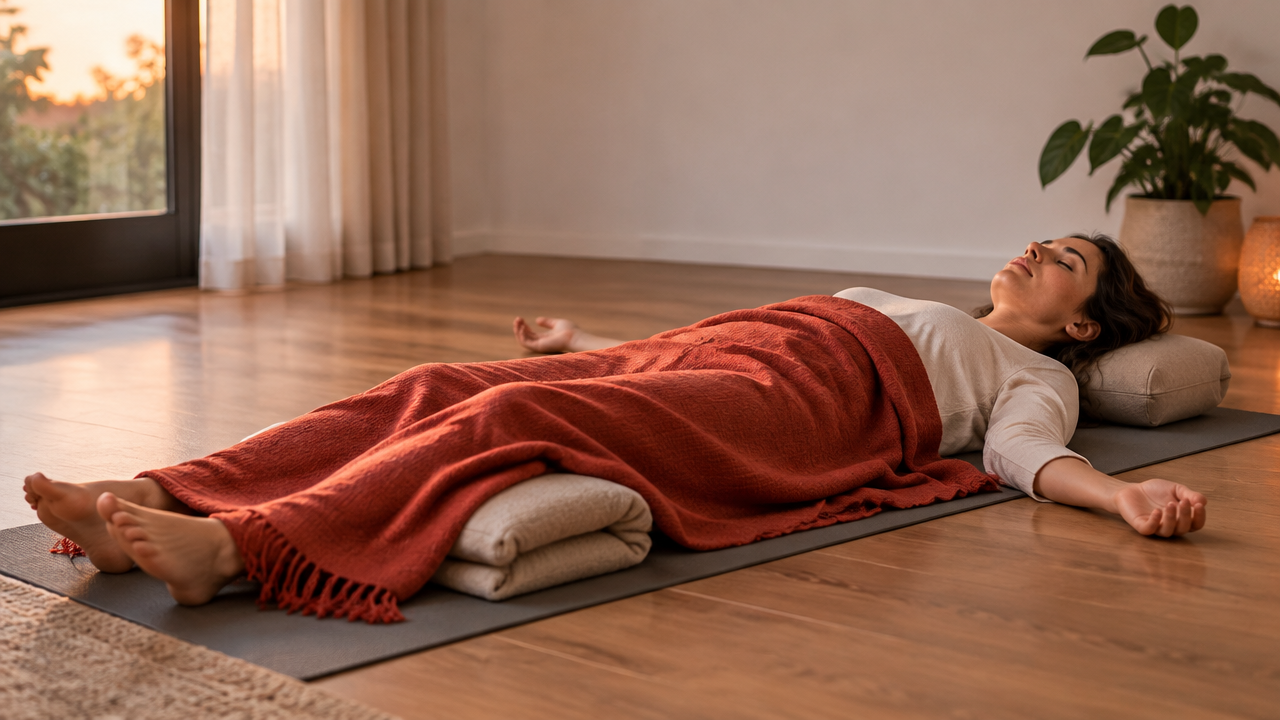

We often think meditation needs silence, time, and a perfect setting. In our experience, that belief keeps many people from practicing at all. Life moves fast. The day fills up. A long session may not happen. Yet awareness can still happen.
Meditation in micro-moments means returning to presence in small pockets of ordinary life.
These pockets may last ten seconds, one breath, or the time it takes to wash our hands. Short does not mean shallow. A brief pause can change the tone of a conversation, soften a reaction, or help us act with more care.
Small pauses change whole days.
We have seen this in simple scenes. A person waits at a red light and notices their jaw is tight. They breathe once, relax, and arrive home less tense. Someone is about to answer a sharp message, pauses for three breaths, and chooses a kinder reply. These are not dramatic events. Still, they shape the quality of our presence.
Why micro-moments work
Many of us fail with meditation because we make it too distant from daily life. We place it in a special corner of the day and then wonder why it disappears when stress rises. Micro-moments solve that gap. They bring practice into the exact places where we lose ourselves.
The best meditation is often the one we can actually practice in real situations.
Short practices help because they are easy to repeat. Repetition builds familiarity. Familiarity builds a new inner habit. With time, we stop seeing meditation as a break from life and start living with a more attentive mind inside life.
Micro-moments can support us in many ways:
They interrupt automatic reactions.
They help us notice body tension early.
They bring attention back to the present task.
They create space before words and decisions.
They reduce emotional spillover from one moment to the next.
This matters because many hard days are not made of one big event. They are made of many small moments of disconnection.
Where to place meditation in the day
We do not need to add twenty new rituals. It is often better to attach meditation to actions that already happen. This makes practice natural and easier to keep.
Good places for micro-moments include:
Before opening a door
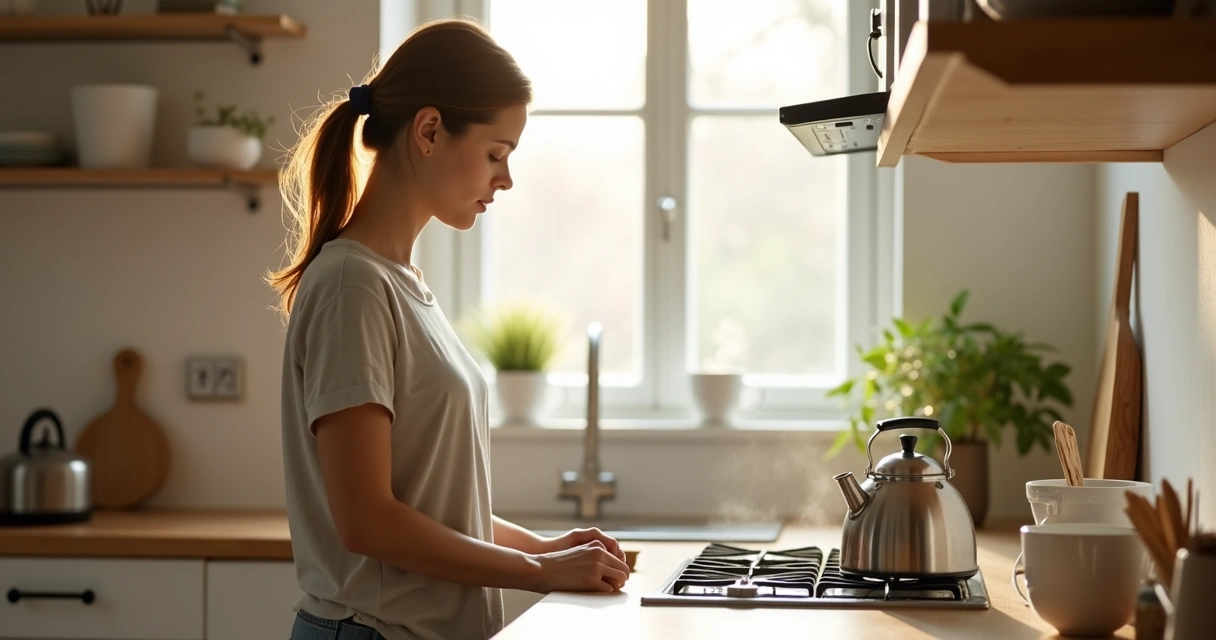
While waiting for water to boil
Before answering a call
When sitting in the car
During hand washing
Before eating the first bite
After sending an email
While standing in line
We like to call these anchor points. They are ordinary moments that remind us to come back to ourselves. One person may use every bathroom break as a cue for one deep breath. Another may pause each time they touch a doorknob. The form is simple. The effect can be real.
Simple techniques for real life
Micro-meditation should not feel complicated. If we need too many steps, we will skip it when life gets noisy. The practice works best when it is clear and light.
One conscious breath
Inhale slowly. Exhale slowly. Notice the full breath from start to end. That is all. We can do this before speaking, before eating, or when moving from one task to another.
Body check-in
Bring attention to the shoulders, face, hands, and stomach. Ask, “What is happening in my body right now?” No fixing at first. Just noticing. Many times, awareness itself starts the release.
Sensory grounding
Look for three things we can see, two we can feel, and one we can hear. This can steady the mind when thoughts begin to race.
Name the state
Silently use a few words: “Rushing.” “Tired.” “Irritated.” “Scattered.” Naming what is present can reduce confusion and create a bit of inner distance.
A named emotion is often easier to guide than an unnamed one.
Pause before response
When a message, comment, or request stirs us, pause for three breaths before answering. This short gap can protect relationships from words we do not mean.
How to keep it from feeling forced
Some people try micro-meditation and feel awkward. We understand that. At first, the pause can seem artificial. But many good habits feel that way before they become natural.
What helps is dropping the idea that each practice must feel deep. Some pauses will feel calm. Some will feel messy. Some will seem flat. The point is not to produce a mood. The point is to return to awareness again and again.
We also think kindness matters here. If we miss a day, or forget ten times, we can begin again without turning practice into self-judgment. Meditation that increases inner pressure has lost its direction.
It can help to keep these guidelines in mind:
Start with one anchor point, not ten.
Keep each pause short enough to fit real life.
Use the same cue daily until it becomes familiar.
Notice impact over weeks, not minutes.
There is something honest about this approach. We are not escaping life. We are meeting it with more presence.

Micro-moments in relationships and work
The value of meditation shows in behavior. A small pause can shift how we listen, speak, and decide. We may hear more clearly what another person is trying to say. We may notice our defensiveness before it takes over. We may stop carrying tension from one meeting into the next.
We once saw someone pause before entering a hard conversation. No special posture. No long ritual. Just one breath at the door, one hand on the handle, and one quiet intention: “I will listen before I react.” That tiny act changed the whole tone of the exchange.
Presence is visible in how we respond.
This is where micro-meditation becomes more than stress relief. It becomes a way of living with greater responsibility. Awareness is not only inward. It shapes our impact on others.
Conclusion
Meditation does not need to wait for free time, silence, or ideal conditions. We can practice in the middle of life, inside its smallest openings. One breath before we answer. One pause while water runs. One moment of noticing before the next decision.
When we treat ordinary moments as chances to return to awareness, daily life itself becomes part of the practice.
If we stay with it, these brief pauses begin to gather strength. They help us speak with more care, carry less tension, and meet the day with a steadier mind. That is the quiet power of meditation in everyday micro-moments.
Frequently asked questions
What is meditation in micro-moments?
Meditation in micro-moments is a very short practice of awareness placed inside normal daily activities. It may last one breath, a few seconds of body awareness, or a pause before speaking. The idea is to return to presence without needing a long formal session.
How can I meditate during daily tasks?
We can connect meditation to tasks we already do, such as washing dishes, waiting for the elevator, or sitting before a meeting. During that task, we bring attention to the breath, the body, or the senses. The task stays the same, but our awareness becomes more active.
Is quick meditation effective for stress?
Yes, quick meditation can help with stress, especially when practiced many times through the day. A short pause may lower tension, slow a reactive response, and help us reset before stress grows. Its strength comes from repetition and timing.
What are easy micro-meditation techniques?
Easy techniques include one conscious breath, relaxing the shoulders, noticing three things around us, naming the emotion of the moment, and pausing before replying to a message. These methods are simple, short, and easy to repeat in real situations.
How often should I practice micro-meditation?
We suggest practicing several times a day in natural anchor points rather than forcing long sessions. Even three to five short pauses can make a difference when done with sincerity. Regular contact with awareness matters more than length.